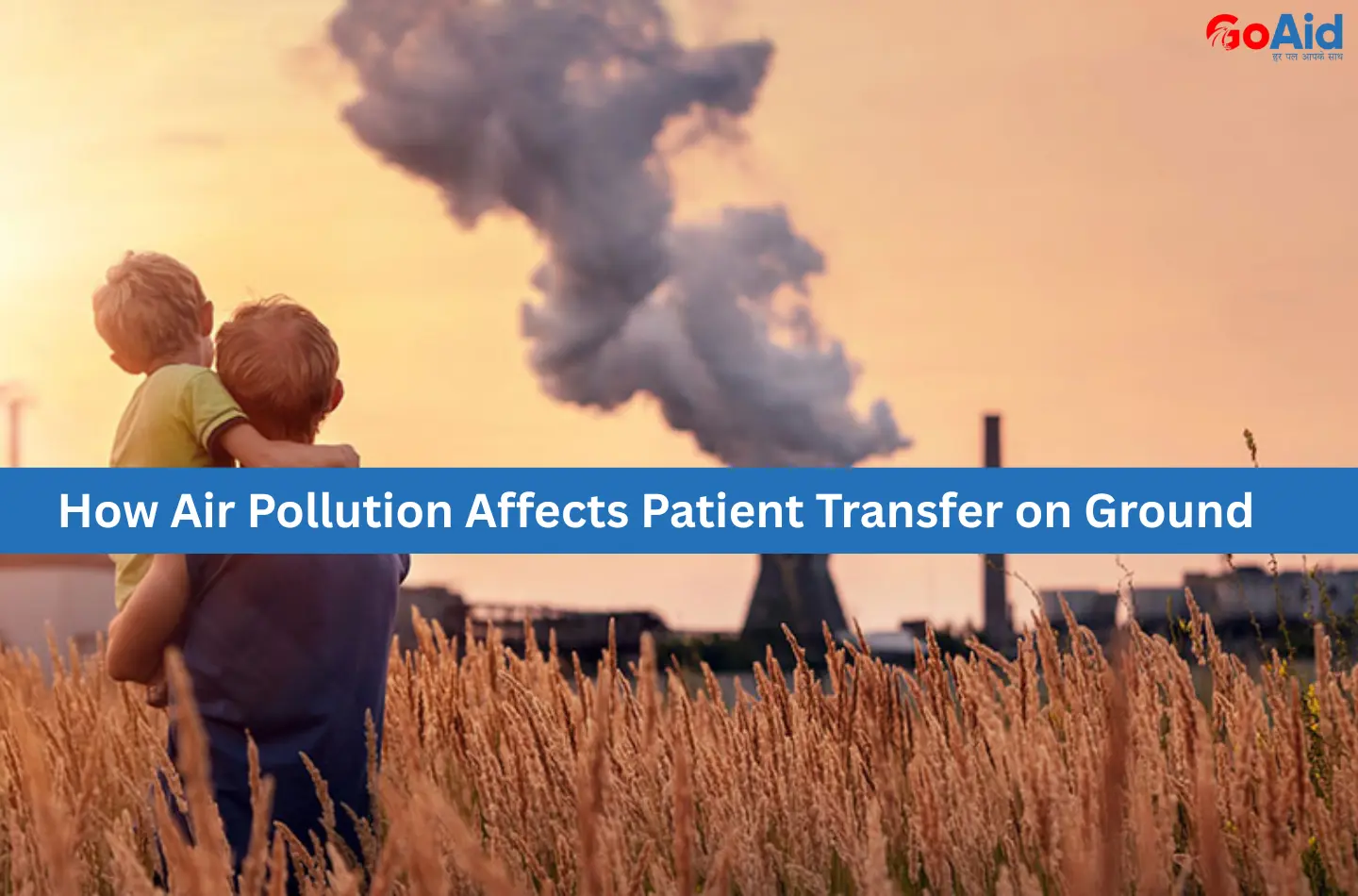
How Air Pollution Affects Patient Transfer on Ground
Air pollution is increasingly becoming a serious health concern, especially in major Indian cities. It can trigger severe respiratory and cardiac emergencies. This makes air ambulance transfers a crucial option for timely medical care.
Patients with breathing difficulties or critical conditions often cannot tolerate delays or the challenges of ground transport in polluted environments. Air ambulances for respiratory patients provide fast, safe, and fully equipped transfers, including ICU and ventilator support when needed.
In this blog, we’ll explore how rising pollution levels impact patient health, why emergency air transfers are essential, and how GoAid ensures rapid and specialized care during pollution-related crises.
Rising Air Pollution Levels and Their Health Impact in India
India is witnessing a dangerous rise in air pollution levels, especially in metro cities like Delhi, Mumbai, and Kolkata. Toxic pollutants such as PM2.5, PM10, carbon monoxide, and nitrogen oxides have reached levels that severely impact respiratory and cardiovascular health.
The growing number of air pollution health emergencies has overwhelmed hospitals, particularly during winter when smog and stagnant air worsen conditions. As a result, many patients require urgent medical attention and rapid transfers to specialized hospitals in other cities.
This is where GoAid Air Ambulance Service India plays a crucial role by offering quick, safe, and medically equipped transfers for patients suffering from severe pollution-related illnesses.
Air ambulances enable fast transportation for individuals with breathing difficulties, asthma attacks, heart complications, and other pollution-induced health crises.
With rising pollution levels posing year-round health threats, air ambulance in Delhi NCR and other polluted regions has become a vital life-saving solution.
Respiratory and Cardiac Issues Triggered by Pollution
Prolonged exposure to air pollution leads to several respiratory and cardiac conditions that often require emergency transfers by air ambulances for timely treatment.
- Severe Asthma Attacks
High levels of pollutants irritate the airways, triggering severe asthma attacks that may not respond to regular inhalers. Air ambulance for respiratory patients ensures rapid hospital transfer with oxygen and ventilator support onboard.
- Chronic Obstructive Pulmonary Disease (COPD)
Airborne toxins worsen COPD symptoms, leading to acute breathing failure. GoAid provides pollution-related emergency transfers equipped with advanced ventilators and oxygen concentrators for continuous respiratory care.
- Lung Infections and Bronchitis
Polluted air increases the risk of viral and bacterial bronchitis, leading to inflammation and oxygen deprivation. GoAid’s air ambulances ensure safe transfers to specialized pulmonary hospitals in critical conditions.
- Cardiac Arrests and Heart Strokes
High pollution levels cause blood thickening and oxygen reduction, triggering heart attacks. GoAid air ambulance service India provides immediate ICU-level cardiac care during mid-air patient transfers.
- Allergic Respiratory Disorders
Smog and particulate matter lead to severe allergic reactions, causing wheezing and lung inflammation. GoAid’s onboard specialists provide real-time treatment and monitoring while ensuring fast hospital reach.
- Pneumonia and Acute Lung Injury
Toxic pollutants weaken lung tissues, causing pneumonia or acute lung damage. Air ambulance in Delhi NCR transfers such patients quickly to advanced respiratory ICUs, minimizing risk.
- Respiratory Failure in Children and Elderly
Children and elderly individuals are highly vulnerable to air pollution. GoAid’s air ambulances offer safe, temperature-controlled cabins and life-support systems for fragile patients needing immediate care.
Types of Patients That Can’t Handle the Impact of Pollution in Medical Emergencies
During high air pollution levels, some patients are more vulnerable to respiratory and cardiac distress. These individuals often require urgent medical evacuation via air ambulance for respiratory patients to ensure survival and timely treatment.
- Asthma Patients
Asthma patients experience airway constriction due to pollutants like PM2.5 and sulfur dioxide. GoAid’s air pollution emergency transfers help stabilize oxygen levels and transport them quickly to advanced respiratory care centers.
- Elderly Individuals
Older adults have weakened lungs and heart function. This makes them prone to hypoxia. GoAid air ambulance in Delhi NCR provides specialized oxygen support and cardiac monitoring during patient transfers.
- Newborns and Infants
Pollution particles can cause severe breathing problems in infants. GoAid ensures neonatal incubators, pediatric ventilators, and medical supervision for safe long-distance transport during pollution emergencies.
- Cardiac Patients
People with pre-existing heart diseases experience worsening symptoms due to low oxygen intake. GoAid air ambulance service India provides ICU setups with ECG, defibrillators, and continuous cardiac monitoring.
- COPD Patients
Patients with Chronic Obstructive Pulmonary Disease face severe breathlessness in polluted air. GoAid’s onboard ventilators and trained paramedics help maintain airway function during the emergency transfer.
- Cancer Patients Under Treatment
Patients undergoing chemotherapy or radiation have weakened immunity. Pollution aggravates their condition, and GoAid’s air ambulances ensure sterile, controlled environments for safe relocation to cleaner cities.
- Pregnant Women
Air pollution increases complications like hypertension and oxygen deficiency during pregnancy. GoAid’s air ambulance during natural disasters and pollution emergencies ensures safe and swift transfer to maternal ICUs.
- Post-Surgery Patients
Post-operative patients have reduced lung capacity and high infection risk. GoAid air ambulances provide clean, pressure-stable cabins and continuous medical care during hospital-to-hospital transfers.
- Patients with Chronic Lung Diseases
Those with fibrosis or emphysema are extremely sensitive to polluted air. GoAid ensures continuous oxygen supply and real-time monitoring to prevent respiratory failure during transit.
- Children with Allergies
Pollution triggers allergies leading to breathing distress in children. GoAid’s air ambulance for respiratory patients provides pediatric oxygen therapy and safe transfer to specialized pediatric hospitals.
Read More: Medical Evacuations During Natural Disasters
How Do Air Ambulances Help in Severe Breathing Emergencies?
During air pollution health emergencies, patients suffering from severe breathing issues require immediate evacuation to advanced hospitals. In such cases, air ambulances for respiratory patients play a vital, life-saving role through advanced care and rapid response.
- Quick Oxygen Stabilization
GoAid air ambulances are equipped with high-flow oxygen and concentrators that instantly stabilize patients suffering from oxygen deprivation during respiratory distress.
- Ventilator Support in Transit
Patients with acute respiratory failure are connected to ICU-grade ventilators onboard. This ensures consistent breathing assistance until they reach specialized hospitals.
- Onboard Medical Supervision
Highly trained paramedics and doctors continuously monitor patient vitals. This provides real-time interventions during in-flight respiratory emergencies.
- Reduced Travel Time
Air ambulances bypass ground traffic. This ensures critically ill patients reach hospitals faster than by road, minimizing the risk of irreversible lung damage.
- Temperature-Controlled Cabins
For patients sensitive to pollution and temperature, GoAid provides climate-controlled cabins maintaining optimal comfort throughout the journey.
- Advanced Life Support Systems
Each GoAid aircraft is equipped with ALS (Advanced Life Support) units to manage cardiac or respiratory arrests mid-flight.
- Instant Hospital Coordination
Before departure, GoAid coordinates with the destination hospital. This ensures ICU beds and doctors are ready upon arrival.
- Specialized Medical Equipment
Devices like nebulizers, BiPAP machines, and suction pumps are onboard to manage critical breathing emergencies effectively.
- Safe Intercity Transfers
GoAid provides quick city-to-city transfers for pollution-related respiratory patients needing specialized pulmonary or cardiac care.
- 24/7 Availability
GoAid’s pollution-related emergency transfers operate round the clock. This ensures timely support for patients whenever severe breathing issues occur.
The Role of ICU and Ventilator Air Ambulances
ICU and ventilator-equipped air ambulances in India are essential for transferring patients suffering from acute respiratory or cardiac distress caused by air pollution. These specialized aircraft ensure full hospital-level care during flights.
- Critical Life Support
GoAid’s air ambulances provide ICU-grade equipment. This allows uninterrupted critical care during long-distance transfers across polluted regions.
- Mechanical Ventilation
Ventilator systems regulate breathing for patients with severe respiratory failure. This ensures oxygen levels remain stable throughout the journey.
- Continuous Monitoring
Advanced monitors track heart rate, oxygen saturation, and BP in real time. This helps paramedics adjust treatment instantly.
- Portable Defibrillators
ICU air ambulances carry defibrillators to manage sudden cardiac arrests caused by air pollution-triggered stress or oxygen loss.
- Infusion Pumps for Medication
Automatic infusion pumps ensure the timely delivery of life-saving medicines during long transfers.
- Expert Medical Crew
Aboard each flight are trained doctors, nurses, and paramedics specializing in respiratory and cardiac emergencies.
- Pre-Flight Medical Assessment
Before departure, GoAid’s medical team evaluates patient conditions and configures equipment as per individual requirements.
- In-Flight Communication
Real-time communication between the aircraft and hospital allows doctors to prepare for patient arrival and immediate care.
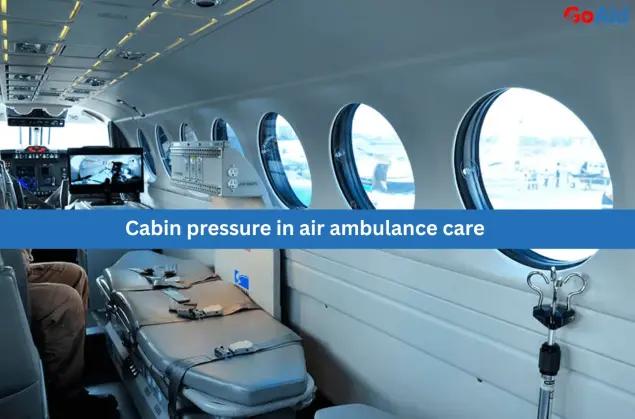
- Safe Cabin Pressure Maintenance
GoAid’s aircraft maintain balanced cabin pressure to prevent breathing difficulties during high-altitude transfers.
- Post-Transfer Handover
Upon landing, GoAid’s team coordinates with hospital ICU staff for a smooth, continuous care transition without any lapse in treatment.
Major Cities Affected by Pollution: Delhi, Mumbai, Kolkata & More
India’s major cities are facing severe air quality degradation, leading to a spike in air pollution health emergencies and the rising demand for GoAid air ambulance service India. Delhi remains the most affected city, where winter smog often pushes the AQI beyond 400, triggering respiratory and cardiac distress among thousands.
Mumbai, though coastal, faces vehicular and industrial emissions that worsen chronic breathing issues. Kolkata experiences persistent pollution from vehicular exhaust and coal-based industries, increasing asthma and COPD cases.
Chennai struggles with industrial emissions and traffic smog, while Bengaluru faces rising particulate matter due to rapid urbanization. Hyderabad and Pune witness air degradation from construction dust and vehicular emissions, heightening emergency transfers for heart and lung patients.
Jaipur and Lucknow suffer from seasonal crop-burning pollution, while Ahmedabad and Patna consistently record alarming PM2.5 levels.
Across these polluted cities, GoAid’s air ambulance in Delhi NCR and beyond ensures timely, ICU-equipped transfers for patients needing urgent relief from pollution-induced emergencies.
GoAid’s Specialized Air Ambulances for Respiratory Patients
GoAid offers specialized air ambulances for respiratory patients designed to handle complex breathing and pollution-related medical emergencies across India.
With rising air pollution levels, especially in cities like Delhi, Mumbai, and Kolkata, patients suffering from asthma, COPD, or cardiac complications need advanced, immediate medical evacuation. GoAid’s aircraft are fully equipped with ventilators, oxygen cylinders, nebulizers, and advanced life-support systems to ensure a stable transfer environment.
Each flight includes an ICU setup, medical monitors, and a dedicated critical care team, trained doctors, nurses, and paramedics who specialize in respiratory emergencies. Real-time monitoring systems allow continuous tracking of oxygen saturation and cardiac function throughout the journey.
Furthermore, GoAid ensures pre-flight coordination with receiving hospitals, guaranteeing bed availability and Easy & uninterrupted treatment continuity upon arrival. It doesn’t matter if it’s a pollution-triggered breathing crisis or a patient requiring long-distance ICU transfer, because GoAid air ambulance service in India stands as the most trusted, 24/7 solution for safe and efficient medical evacuation of respiratory patients.
How to Reduce/Prevent Pollution-Related Health Risks?
As air pollution continues to rise across India, taking preventive measures has become essential to protect yourself and your family from pollution-triggered respiratory and cardiac problems. These simple yet effective steps can significantly lower your exposure to harmful pollutants and reduce the risk of emergencies requiring air ambulance transfers.
- Wear Protective Masks
Always wear certified N95 or N99 masks while outdoors. These masks effectively filter out fine dust particles (PM2.5 and PM10), minimizing inhalation of harmful pollutants that can irritate your lungs and trigger breathing difficulties.
- Use Indoor Air Purifiers
Installing HEPA-based air purifiers helps maintain cleaner indoor air quality, especially in metro cities like Delhi and Mumbai. Regularly changing filters ensures that toxins, smoke, and allergens remain under control.
- Stay Indoors During High Pollution Hours
Avoid going outside early in the morning or late at night when pollution levels are at their highest. During these hours, limit outdoor activity and keep windows and doors closed to prevent toxic air entry.
- Maintain Proper Hydration
Drinking plenty of water helps your body flush out pollutants and supports better respiratory function. Staying hydrated also prevents throat irritation and strengthens the immune response against toxins.
- Eat Antioxidant-Rich Foods
Include fruits like oranges, berries, and vegetables like spinach and carrots in your diet. Antioxidants neutralize harmful free radicals, protecting your lungs and heart from pollution-induced damage.
- Avoid Smoking or Secondhand Smoke
Smoking worsens the effects of pollution and damages the respiratory tract. Avoid both active and passive smoking, especially in areas already affected by smog or industrial pollution.
- Keep Windows Closed and Use Ventilation Filters
Seal gaps in windows and install proper ventilation filters. This prevents outdoor air pollutants from entering your home and helps maintain a cleaner indoor environment.
- Monitor Air Quality Index (AQI) Daily
Stay informed about pollution levels through AQI apps or weather reports. When AQI crosses hazardous levels, avoid unnecessary travel and prioritize health safety measures.
- Practice Breathing Exercises Indoors
Perform light yoga and breathing exercises in a clean indoor setting to improve lung capacity. Avoid doing them outdoors during high-smog days to prevent pollutant inhalation.
- Use Public Transport or Carpool
Reducing vehicle usage lowers your personal contribution to pollution while minimizing direct exposure on congested roads. It’s a small but vital step toward healthier, cleaner cities.
Government Regulations on Emergency Air Transfers
The Government of India enforces strict protocols to ensure the safety and legality of air ambulance services during emergencies. Every medical evacuation service in India must operate under DGCA (Directorate General of Civil Aviation) guidelines.
This outline safety standards, crew qualifications, and aircraft maintenance requirements. Air ambulances must have onboard doctors and certified paramedics trained in emergency medicine.
Moreover, coordination between the Ministry of Civil Aviation, hospitals, and ATC (Air Traffic Control) ensures quick clearance for emergency take-offs and landings.
In disaster situations or pollution emergencies, the National Disaster Management Authority (NDMA) and State Health Departments authorize and facilitate fast patient transfers.
GoAid adheres strictly to these protocols. This ensures all emergency operations are safe, lawful, and patient-centered.
Conclusion
In conclusion, we have provided all essential details about how air pollution health emergencies increase the demand for air ambulance services in India. GoAid’s specialized air ambulances for respiratory patients offer advanced equipment, expert care, and Easy & uninterrupted transfers during critical breathing or cardiac emergencies.
From Delhi NCR to Mumbai and Kolkata, GoAid ensures life-saving responses through its 24/7 availability and cutting-edge technology. By combining compliance with government regulations and focusing on patient safety, GoAid air ambulance service India continues to set benchmarks in handling pollution-related health crises across the nation.