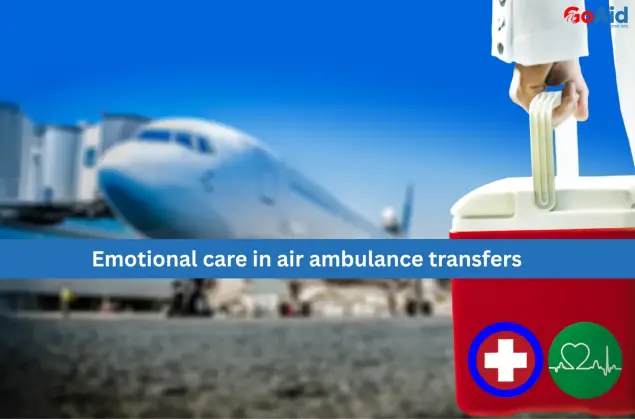
Emotional care in air ambulance transfers
Air ambulance transfers can be stressful not just for patients, but also for their families. Many people are unaware of how crucial emotional support is during medical evacuation, as anxiety and uncertainty can be overwhelming. Understanding how GoAid supports patient families helps provide reassurance and clarity. This ensures loved ones feel informed, guided, and cared for throughout the transfer process.
This is why, in this blog, we have explained all the details about how GoAid manages family anxiety during medical evacuation, ensures clear communication, provides assistance with documentation and logistics, maintains compassionate coordination throughout the transfer, and offers post-transfer follow-ups. Do you want to know all these information in detail? Then read this blog to the end.
So, let’s start:
How Is Family Anxiety Managed During Medical Evacuation?
An air ambulance transfer is not only a medical emergency for the patient but also an emotionally overwhelming experience for family members. GoAid air ambulance recognizes this emotional side of medical evacuation and places strong emphasis on supporting patient families throughout the journey.
From the very first call, trained coordinators listen patiently to family concerns, explain the process in simple terms, and provide reassurance during moments of distress.
GoAid assigns dedicated case coordinators who remain in constant touch with families. This offers timely updates about flight status, patient condition, and expected timelines.
Clear explanations about medical procedures, aircraft safety, and transfer steps help reduce fear and uncertainty. Emotional sensitivity is maintained while discussing costs, documentation, and logistics. This ensures families feel supported rather than pressured.
In critical situations, GoAid teams encourage family involvement in decision-making, respecting emotional needs while guiding them medically. Post-transfer follow-ups further help families cope, reinforcing GoAid’s compassionate approach to air ambulance care in India.
How Does GoAid Ensure Clear Communication with Patient Families?
Clear communication is essential during air ambulance transfers, especially when families are emotionally distressed. GoAid air ambulance follows a transparent, compassionate, and structured communication approach to keep patient families informed, reassured, and involved throughout the medical evacuation process.
1. Dedicated Family Communication Manager
GoAid assigns a single, trained communication manager to each case who remains the primary contact for the family. This ensures consistency, clarity, and emotional sensitivity throughout the air ambulance transfer.
2. Simple and Transparent Process Explanation
The entire medical evacuation process is explained in simple language. This helps families understand timelines, procedures, and expectations without confusion or unnecessary medical complexity.
3. Real-Time Flight Status Updates
Families receive regular updates regarding aircraft departure, en-route progress, landing schedules, and any changes. This reduces uncertainty during critical moments.
4. Clear Medical Condition Briefings
GoAid doctors provide clear, honest updates about the patient’s condition, treatment plan, and stability. This ensures families remain informed without being overwhelmed.
5. Transparent Cost and Documentation Guidance
All cost-related details, approvals, and documentation requirements are communicated clearly to prevent last-minute stress or misunderstandings.
6. 24/7 Availability for Family Queries
GoAid’s support team remains available day and night to address family concerns, questions, or emotional reassurance needs during the air ambulance journey.
7. Coordination Updates with Hospitals
Families are informed once bed confirmation, ICU readiness, and specialist availability are secured at the receiving hospital.
8. Compassionate and Empathetic Communication
Every interaction is handled with empathy, patience, and emotional awareness, recognizing the psychological stress families experience during medical evacuation.
9. Multi-Channel Communication Support
GoAid uses calls, messages, and digital updates to ensure families receive information promptly through their preferred communication channels.
10. Post-Transfer Communication and Follow-Ups
After the transfer, GoAid follows up with families to confirm safe patient handover and provide continued support, reinforcing trust and compassionate care.
How Is Assistance Provided with Documentation and Logistics?
Medical evacuation involves complex paperwork and logistical coordination, which can overwhelm families during emergencies. GoAid air ambulance simplifies documentation and logistics through structured support. This ensures families can focus on the patient’s well-being rather than administrative burdens.
1. Guidance on Medical Records Collection
GoAid assists families in compiling essential medical documents such as diagnostic reports, prescriptions, discharge summaries, and referral letters required for safe and compliant air ambulance transfers.
2. Support with Consent and Authorization Forms
Families receive clear guidance on patient consent, legal authorizations, and transfer approvals. This ensures all paperwork is completed accurately without delays or confusion.
3. Coordination for Airport and Aviation Documents
GoAid manages aviation-related documentation. This includes flight permissions, airport clearances, and operational approvals. This minimizes logistical stress for patient families.
4. Hospital Admission and Bed Confirmation Assistance
The team coordinates directly with receiving hospitals to secure ICU beds, specialist availability, and admission documentation before patient arrival.
5. Interstate Transfer Documentation Support
For interstate air ambulance services, GoAid helps arrange state-specific permissions and regulatory documents required for smooth medical evacuation across regions.
6. Ground Ambulance Logistics Planning
End-to-end coordination of ground ambulances at both departure and arrival locations ensures uninterrupted patient movement without administrative delays.
7. Medical Equipment and Medication Checklists
GoAid verifies required medical equipment, oxygen supply, and medications in advance. This prevents last-minute logistical challenges.
8. Insurance and Billing Clarification
Families receive assistance in understanding insurance applicability, billing structure, and required documents. This reduces financial uncertainty during emergencies.
9. Timeline and Transfer Flow Management
A clear logistical timeline is shared with families, explaining each step from hospital pickup to final handover.
10. Single-Point Logistic Coordination
A dedicated coordinator manages all documentation and logistics. This ensures accountability, clarity, and uninterrupted communication.
How Is Compassionate Coordination Maintained Throughout the Transfer?
Compassionate coordination is central to GoAid’s patient care approach during air ambulance transfers. From the initial inquiry to final hospital handover, GoAid ensures that every interaction reflects empathy, patience, and emotional understanding.
Dedicated coordinators serve as consistent points of contact. This helps families navigate complex decisions during stressful moments. Medical teams, pilots, ground ambulance staff, and hospital administrators operate under a unified communication framework to avoid confusion or emotional distress.
Families are kept informed about each stage of the transfer without being overwhelmed by technical details. GoAid professionals are trained to listen actively, acknowledge emotional concerns, and provide reassurance while maintaining medical accuracy.
Even during unforeseen delays or medical complexities, communication remains transparent and compassionate. Cultural sensitivity and respect for family preferences are maintained throughout the journey. This emotionally supportive coordination helps families feel included, respected, and cared for, reinforcing GoAid’s commitment to humane and patient-centric air ambulance services.
What Post-Transfer Support and Follow-Ups Does GoAid Provide?
Post-transfer care and communication are essential for emotional closure and continued trust. GoAid air ambulance ensures families remain supported even after the medical evacuation is completed.
1. Transfer Completion Confirmation
Families receive immediate confirmation once the patient is safely handed over to the receiving hospital medical team.
2. Medical Handover Summary Sharing
A brief summary of patient condition and in-flight care is communicated to families for clarity and reassurance.
3. Follow-Up Communication
GoAid coordinators check in with families after the transfer to address concerns or queries.
4. Assistance with Further Logistics
Support is provided if families need help with additional ground transfers or medical coordination.
5. Feedback and Support Engagement
Families are encouraged to share feedback. This allows GoAid to improve and continue compassionate care.
Conclusion
In conclusion, we have provided all the details about the emotional side of air ambulance transfers and how GoAid supports patient families at every stage. From managing anxiety and maintaining clear communication to handling documentation, logistics, and compassionate coordination, GoAid ensures families are never left feeling uncertain or alone.
The service goes beyond medical transport by offering emotional reassurance, transparency, and post-transfer follow-ups. This patient- and family-centric approach reflects GoAid’s commitment to compassionate air ambulance services in India. This ensures trust, dignity, and emotional care during critical medical evacuations.
FAQs
Q1: Does GoAid support patient families during air transfers?
A: Yes, GoAid actively supports patient families throughout air ambulance transfers by providing emotional reassurance, dedicated coordinators, clear communication, logistical assistance, and continuous updates. This ensures families feel informed, supported, and involved during critical medical evacuations.
Q2: How does GoAid communicate with families in emergencies?
A: GoAid communicates through dedicated family coordinators who provide real-time updates via calls and messages, explain medical and logistical steps clearly, and remain available 24/7 to address concerns during emergency air ambulance transfers.
Q3: What emotional support is provided during air ambulance transfers?
A: GoAid offers emotional support by using empathetic communication, patient listening, transparent explanations, reassurance during delays, and respectful involvement of families in decision-making. This helps reduce stress and anxiety during medical evacuations.
Q4: Are families guided through documentation processes?
A: Yes, GoAid assists families with all required medical, legal, aviation, and hospital documentation. This ensures paperwork is completed correctly and efficiently without adding emotional or administrative stress during emergencies.
Q5: Does GoAid offer post-transfer assistance?
A: GoAid provides post-transfer follow-ups, confirms safe patient handover, shares care updates, assists with further logistics if required, and remains available to address family concerns even after the air ambulance mission is completed.