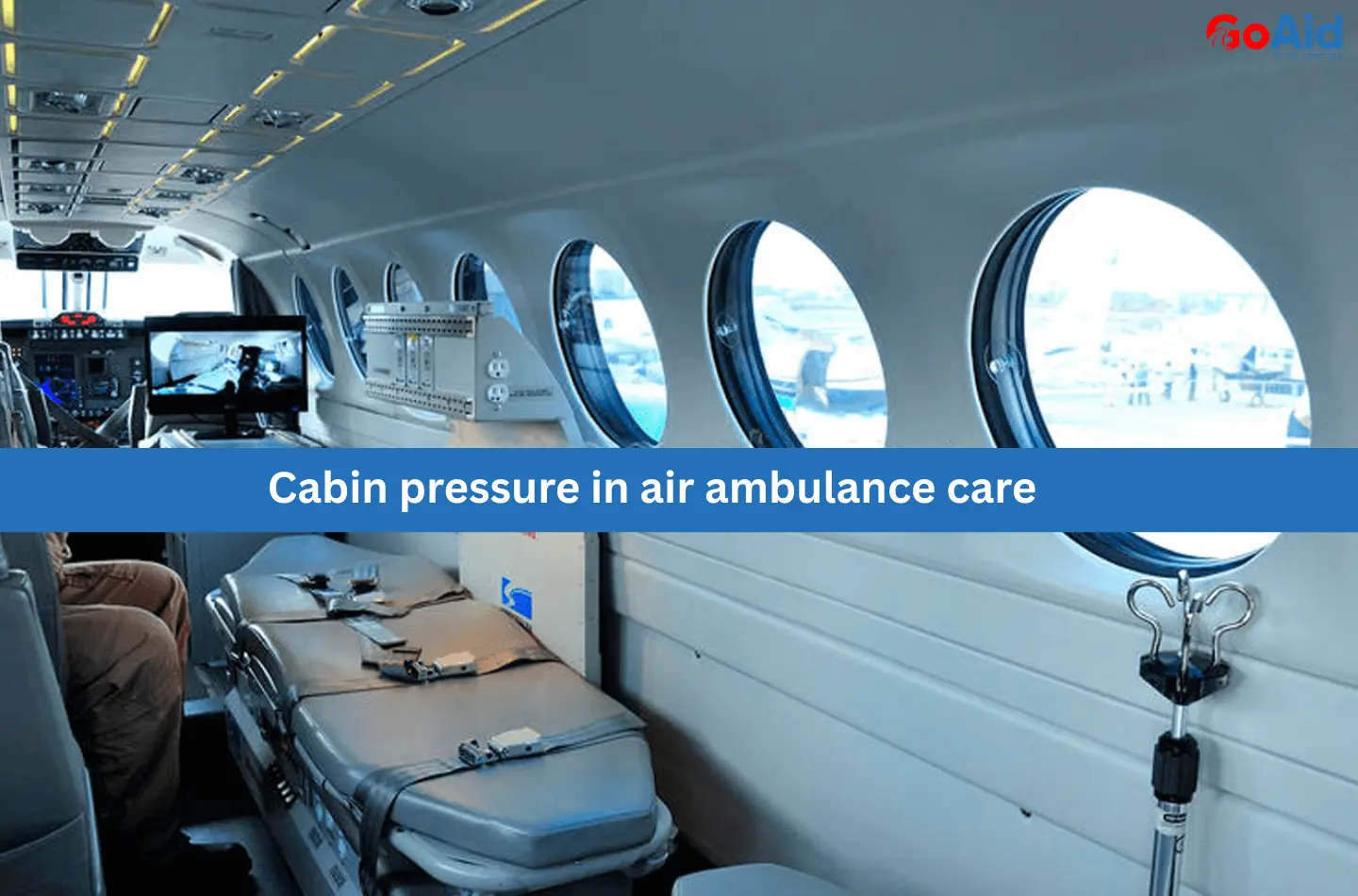
Cabin pressure in air ambulance care
Night-time medical emergencies can occur unexpectedly and often require immediate attention. However, many people are unaware of how air ambulances successfully operate during late hours while maintaining the highest standards of safety and efficiency. Understanding GoAid’s role in night-time air ambulance missions helps people recognize how critically ill patients continue to receive rapid medical care and emergency transportation even in challenging nighttime conditions. It also provides reassurance to families that life-saving transfers are carried out with precision, coordination, and round-the-clock readiness.
This is why, in this blog, we have covered everything you need to know about night-time air ambulance operations, including the challenges faced during night medical flights, advanced navigation systems and night flying protocols, preparation of medical teams for overnight transfers, patient safety measures during night missions, and 24/7 coordination with airports and hospitals.
Want to understand how these emergency services operate efficiently after dark? Read this blog till the end.
So, let’s begin:
How Does Altitude Affect Critically Ill Patients?
Altitude changes during air ambulance flights can significantly impact critically ill patients due to reduced oxygen levels and pressure variations. Understanding these effects is essential for ensuring patient safety during air evacuation and critical care transfers.
1. Reduced Oxygen Availability
At higher altitudes, oxygen levels decrease, which can worsen hypoxia in critically ill patients, especially those with respiratory failure or cardiac conditions during air ambulance transport.
2. Increased Cardiac Workload
Lower oxygen saturation forces the heart to work harder. This increases stress for cardiac patients and raising the risk of complications during critical care air ambulance flights.
3. Expansion of Trapped Gases
Altitude-related pressure changes can cause trapped gases in the body to expand, affecting patients with pneumothorax, abdominal surgery, or bowel obstruction.
4. Impact on Brain Oxygenation
Neurological patients may experience reduced cerebral oxygen delivery. This increases the risk of brain injury or deterioration during air medical evacuation.
5. Respiratory Distress Aggravation
Patients with asthma, COPD, or ARDS are more vulnerable to altitude effects. This makes cabin pressure management essential in air ambulance services.
6. Blood Oxygen Saturation Drop
Even stable patients may show a drop in SpO₂ levels at altitude. This requires continuous monitoring and oxygen support.
7. Risk to Neonatal Patients
Newborns and premature infants are extremely sensitive to altitude changes due to underdeveloped lungs.
8. Effect on Trauma Patients
Altitude-induced hypoxia can worsen internal bleeding and shock in trauma cases during air evacuation.
9. Fluid Shifts in the Body
Pressure changes can alter fluid balance, impacting patients with kidney or heart failure.
10. Increased Fatigue and Anxiety
Altitude-related discomfort may cause anxiety and fatigue, affecting patient stability during medical flights.
Also Read : Why Trust Matters in Air Ambulance Services
What Medical Risks Are Linked to Improper Cabin Pressure?
Improper cabin pressure during air ambulance flights can trigger serious medical risks, particularly for critical care patients. Effective pressure regulation is a core component of air medical safety in India.
1. Severe Hypoxia
Inadequate cabin pressurization can drastically reduce oxygen levels, leading to organ failure in critically ill patients.
2. Worsening of Pneumothorax
Air trapped in the chest can expand rapidly. This causes lung collapse if cabin pressure is not properly controlled.
3. Increased Intracranial Pressure
Brain injury and stroke patients face higher risks due to pressure-related cerebral swelling.
4. Cardiac Arrhythmias
Low oxygen levels may trigger irregular heart rhythms in cardiac patients during air evacuation.
5. Respiratory Failure Escalation
Ventilator-dependent patients are especially vulnerable to pressure fluctuations.
6. Gastrointestinal Complications
Gas expansion can cause abdominal pain and surgical site stress in post-operative patients.
7. Ear and Sinus Barotrauma
Improper pressure can damage ears and sinuses. This causes pain and bleeding.
8. Reduced Medication Effectiveness
Pressure changes may impact infusion accuracy in sensitive medical equipment.
9. Increased Patient Anxiety
Discomfort caused by pressure imbalance can heighten stress and instability.
10. Emergency In-Flight Interventions
Uncontrolled pressure issues may require emergency medical action mid-flight.
Also Read : Top 10 Myths and Facts About Air Ambulance Services
How Does GoAid Manage Cabin Pressure Levels During Flights?
GoAid critical care air ambulance services follow advanced protocols to manage cabin pressure and protect patient health throughout the flight. Before takeoff, a detailed assessment of the patient’s medical condition is conducted to determine the safest cruising altitude. Based on this evaluation, pilots and medical teams coordinate to maintain optimal cabin pressure levels suitable for the patient’s needs.
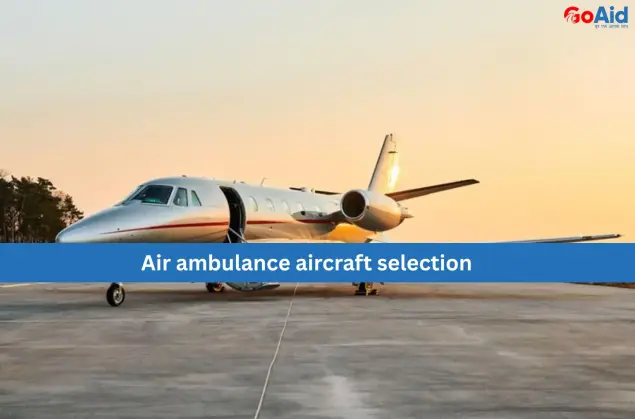
GoAid aircraft are equipped with modern pressurization systems that allow gradual altitude changes. This minimizes physiological stress. For patients sensitive to pressure variations—such as those with respiratory failure, brain injuries, or post-surgical conditions—low-altitude flying strategies are adopted whenever required.
Continuous monitoring of oxygen saturation, blood pressure, heart rate, and respiratory parameters ensures early detection of pressure-related complications. Medical teams are trained to adjust oxygen delivery, ventilator settings, and medications in real time. Close coordination between pilots, paramedics, and doctors ensures that cabin pressure management remains patient-centric. This makes GoAid medical flight care both safe and reliable.
What Role Does Specialized Equipment Play in Pressure Control?
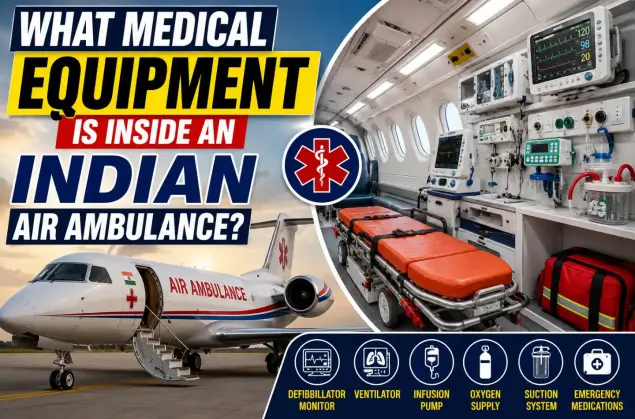
Specialized medical and aviation equipment plays a vital role in maintaining safe cabin pressure and ensuring patient safety during air evacuation.
1. Advanced Aircraft Pressurization Systems
These systems regulate cabin pressure automatically. This ensures stable conditions throughout the flight.
2. Portable Ventilators
Ventilators are calibrated to adjust oxygen delivery according to altitude and pressure changes.
3. Continuous Patient Monitoring Devices
Monitors track vital signs in real time. This allows immediate response to pressure-related changes.
4. Oxygen Supply Systems
High-capacity oxygen systems ensure uninterrupted oxygen delivery during altitude fluctuations.
5. Infusion Pumps with Pressure Compensation
These pumps maintain accurate medication delivery despite cabin pressure variations.
Conclusion
In conclusion, we have provided all the details about why cabin pressure matters in critical care air ambulance services. From understanding altitude effects and associated medical risks to explaining how GoAid manages pressure levels using trained teams and advanced equipment, every aspect highlights the importance of controlled air medical transport.
Proper cabin pressure management is essential for patient safety during air evacuation, especially for critically ill patients. With its commitment to advanced protocols, specialized equipment, and continuous monitoring, GoAid air ambulance ensures safe, reliable, and patient-focused medical flights across India.
Also Read ; Air Ambulance Cost in India - Factors That Affect Pricing
FAQs
Q1: Why is cabin pressure important in air ambulance flights?
A: Cabin pressure is crucial because reduced pressure at altitude lowers oxygen availability. Proper pressure management helps prevent hypoxia, organ stress, and medical complications in critically ill patients during air ambulance transfers.
Q2: How does altitude affect critical patients?
A: Altitude reduces oxygen levels and alters pressure, which can worsen respiratory distress, cardiac strain, and neurological conditions. Critical patients require controlled cabin pressure and continuous monitoring during air evacuation.
Q3: Does GoAid control cabin pressure during flights?
A: Yes, GoAid air ambulances use advanced pressurization systems, low-altitude flying strategies, and medical coordination to maintain safe cabin pressure suitable to each patient’s condition.
Q4: What patients are most sensitive to cabin pressure changes?
A: Patients with respiratory failure, heart disease, brain injuries, recent surgeries, trauma, and neonatal cases are most sensitive to cabin pressure variations during air medical transport.
Q5: How do doctors monitor patients during air evacuation?
A: Doctors continuously monitor oxygen saturation, heart rate, blood pressure, and respiratory parameters using advanced medical devices. This ensures immediate intervention if pressure-related changes occur.