Medical Evacuations During Natural Disasters
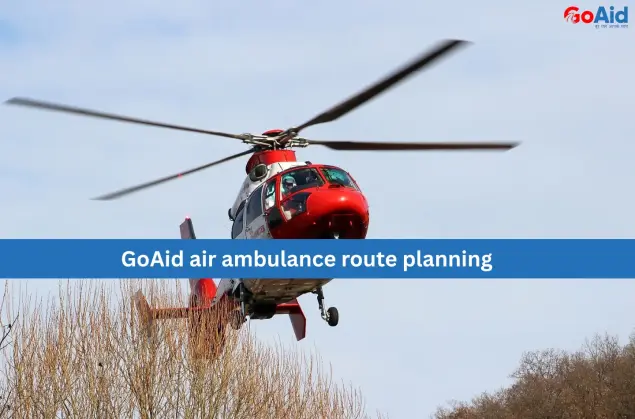
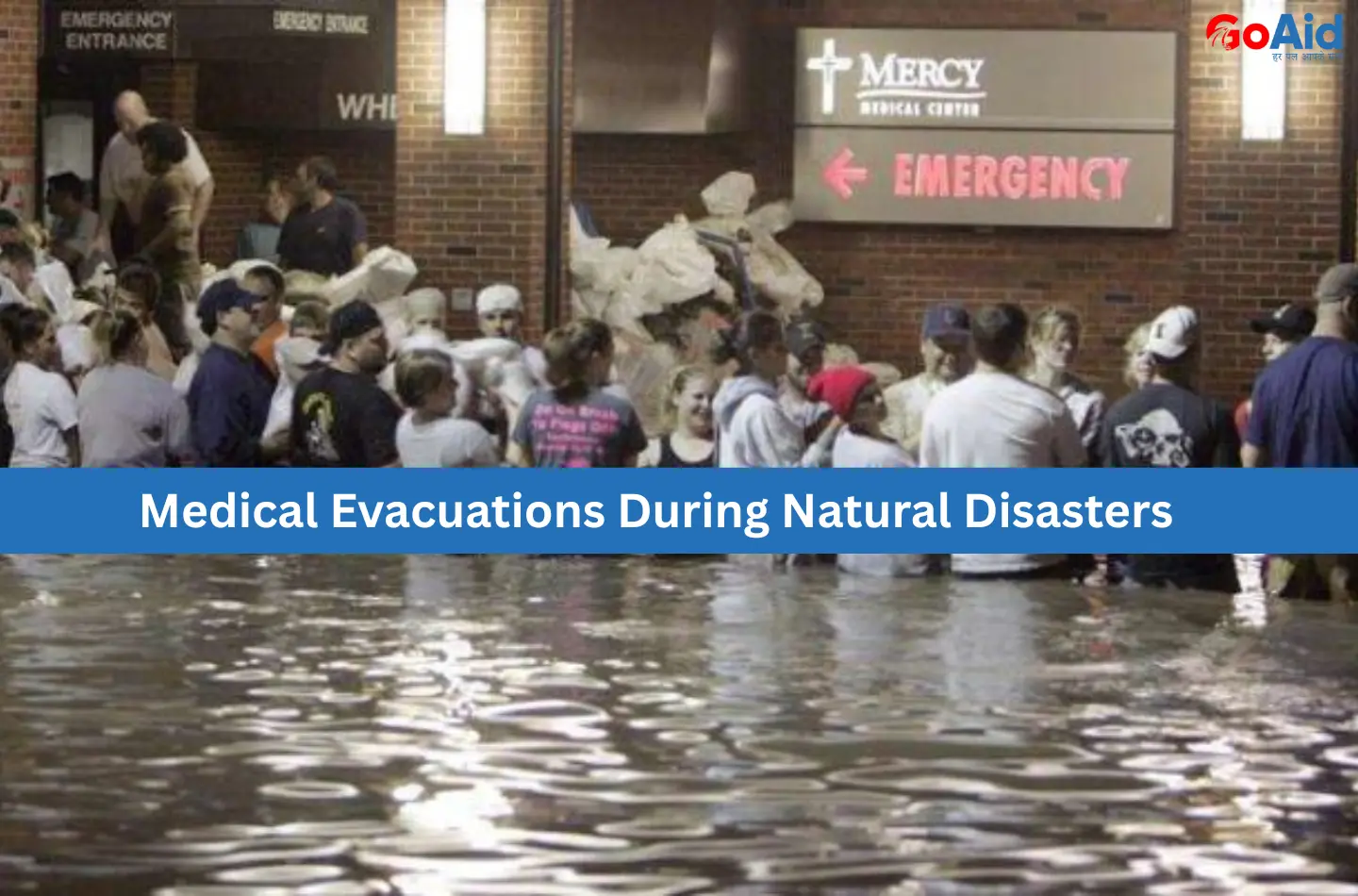
During natural disasters such as floods, earthquakes, cyclones, and other emergency situations, rapid and safe medical evacuation can become crucial for saving lives. In these high-risk conditions, air ambulances play a vital role in rescuing patients and transporting them to safer hospitals and advanced medical facilities.
Unlike traditional ground transportation, air ambulances can quickly access disaster-affected or hard-to-reach areas where roads may be damaged or blocked. This ability ensures faster medical response and timely treatment when every second counts. Medical evacuation services in India have become an essential component of disaster response systems, helping save numerous lives during emergencies.
In this blog, we will explore how air ambulances operate during natural disasters, their coordination with emergency and relief teams, the challenges involved in disaster rescue missions, and how GoAid contributes to efficient and life-saving emergency evacuation operations.
Natural Disasters and the Growing Need for Rapid Evacuation
India faces frequent natural disasters such as floods, earthquakes, landslides, and cyclones. This makes rapid medical evacuation a critical part of disaster management. In such emergencies, ground transport often becomes inaccessible due to damaged roads, traffic congestion, or collapsed infrastructure.
This is where air ambulances during natural disasters play a vital role. These high-speed medical aircraft provide quick access to affected zones and help transfer injured or critically ill patients to safer and better-equipped hospitals.
With climate change intensifying extreme weather events, the need for fast medical evacuation services in India is rising rapidly. Air ambulances ensure timely rescue even in remote or disaster-hit areas by offering advanced life-support care in-flight. GoAid disaster evacuation service is among the most reliable solutions.
This offers 24/7 emergency response, expert medical teams, and cutting-edge air support. Their operations exemplify how air ambulances can bridge the life-saving gap during large-scale natural calamities.
What Is a Medical Evacuation (Medevac) Service?
A medical evacuation (Medevac) service refers to the rapid transportation of injured or critically ill individuals from disaster-affected or inaccessible areas to medical facilities for immediate treatment.
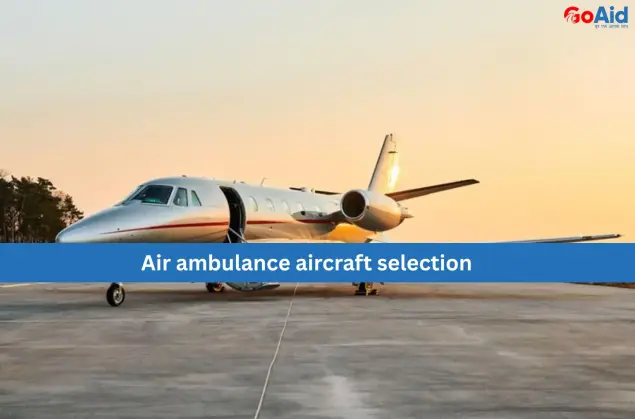
These operations are typically conducted by air ambulances during natural disasters, equipped with ICU-level medical systems, trained paramedics, and doctors onboard. GoAid’s medical evacuation services in India provide fast and safe transfers through helicopters, charter planes, or fixed-wing aircraft.
This ensures uninterrupted patient care during emergencies. Medevac services are essential for saving lives when ground routes are blocked or when every minute matters in reaching critical healthcare support.
Also Read: Why Trust Matters in Air Ambulance Services
How Do Air Ambulances Operate During Floods, Earthquakes, and Cyclones?
Air ambulances follow advanced safety protocols and operational strategies to perform successful rescues and evacuations in disaster-hit areas.
- Rapid Deployment
GoAid’s emergency rescue by air ambulance begins within minutes of receiving a distress call. This ensures immediate medical evacuation even under harsh weather conditions.
- Aerial Route Planning
Pilots use GPS and radar systems to identify safe and clear air corridors above flood or cyclone zones for secure and quick navigation.
- Onboard Medical Team
Each air ambulance carries trained doctors and paramedics specialized in trauma, cardiac, and emergency care. This ensures life-saving treatment during flight.
- Advanced Communication Links
GoAid uses satellite and 5G communication to maintain constant contact between pilots, hospitals, and control centers for Easy & uninterrupted coordination.
- Special Landing Operations
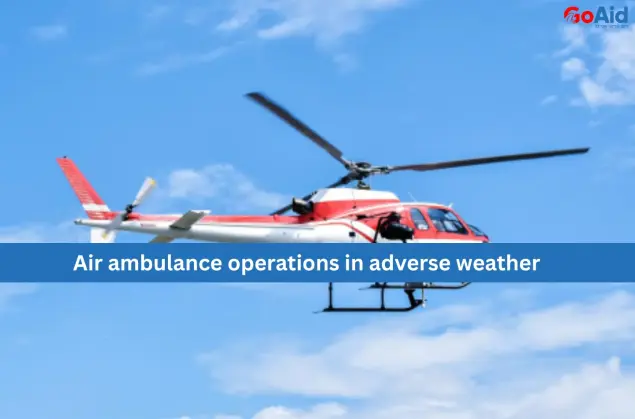
Helicopter ambulances are equipped to land in challenging terrains like flooded regions, small fields, or partially damaged airstrips for patient pickup.
- Patient Stabilization in Air
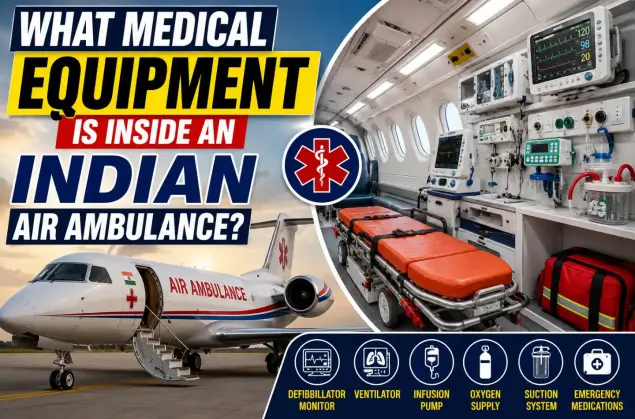
With full ICU support onboard, patients are stabilized mid-air with ventilators, defibrillators, and oxygen systems before reaching hospitals.
- Coordination with Disaster Agencies
GoAid’s teams work alongside local authorities, NDRF, and rescue organizations to streamline evacuation and prioritize critical cases.
- Medical Supply Drops
In inaccessible regions, air ambulances also drop essential medicines, blood units, and medical equipment using precision delivery methods.
- Nighttime and Low-Visibility Flights
Equipped with night-vision systems and infrared sensors, GoAid’s air ambulances conduct safe operations even after sunset or in low visibility.
- Multi-Patient Transfers
Fixed-wing air ambulances are configured to carry multiple patients simultaneously during mass-casualty situations, improving efficiency in disaster response.
- Emergency Triage Support
Air medical staff perform triage in-flight, identifying high-priority patients and preparing hospital teams for immediate treatment upon landing.
- Post-Disaster Relief Operations
After primary rescues, GoAid’s disaster relief air ambulance services continue providing inter-hospital transfers, medical logistics, and follow-up evacuations until stability is restored.
Also Read : Top 10 Myths and Facts About Air Ambulance Services
How Does the Coordination Work Between Air Ambulance and Disaster Relief Teams?
During large-scale emergencies, smooth coordination between air ambulance services and disaster relief teams is vital for saving lives efficiently. GoAid ensures well-structured communication, planning, and cooperation with all rescue and healthcare departments involved.
- Centralized Communication Network
GoAid uses advanced digital command systems to maintain real-time communication with NDRF, SDRF, and local disaster management authorities. This ensures accurate updates on weather, landing zones, and patient priorities. This allows Easy & uninterrupted coordination and safe medical evacuations.
- Predefined Evacuation Protocols
Before air deployment, GoAid follows established emergency protocols that define patient categories, flight routes, and priority levels. This systematic approach prevents confusion and ensures critical patients receive attention first during chaotic disaster situations.
- Integrated Ground-to-Air Handover
Disaster response teams on the ground stabilize patients and prepare them for safe transfer. GoAid’s medical team then takes over mid-operation. This ensures continuous monitoring and zero lapse in medical care during transfer.
- Real-Time Information Sharing
Using satellite-based systems, both air and ground teams exchange live updates about patient vitals, weather, and route conditions. This shared visibility ensures hospitals are ready before the air ambulance lands with the patient.
- Post-Rescue Coordination
After rescue operations, GoAid collaborates with hospital staff and disaster control centers for debriefing, reporting, and planning further patient transfers. This comprehensive coordination maintains operational efficiency and medical accountability.
Also Read : Top 10 Air Ambulance Service Providers in Delhi
Key Factors & Safety to Consider in Disaster Zones
Operating an air ambulance during natural disasters requires precision, safety, and advanced preparedness. GoAid follows strict safety guidelines to ensure smooth and secure evacuations even under unpredictable conditions.
- Weather Assessment
Accurate weather forecasting is essential before takeoff. GoAid’s pilots analyze wind patterns, storm activity, and visibility levels to plan the safest route, minimizing turbulence and ensuring patient and crew safety.
- Landing Zone Safety
Selecting a secure landing area is critical. Teams evaluate ground stability, debris presence, and space for helicopter or aircraft clearance to prevent accidents during takeoff or landing in unstable terrains.
- Aircraft Readiness
GoAid ensures all aircraft undergo full pre-flight inspections, fuel, communication systems, and life-support equipment, to prevent any technical malfunction during operations in disaster-hit regions.
- Medical Preparedness
Each mission is staffed with paramedics trained for trauma and emergency management. They carry essential medicines, ventilators, and defibrillators to handle critical patients throughout the transfer process.
- Coordination with Authorities
GoAid maintains constant coordination with air traffic control, local police, and disaster agencies for flight permissions, patient clearances, and security management in restricted or sensitive zones.
- Risk Mitigation Plans
Contingency plans are pre-established to tackle emergency landings or sudden weather changes. Alternate routes and backup landing sites are always part of GoAid’s safety protocol for disaster evacuations.
How Does GoAid Support Disaster Relief Operations in India?
GoAid plays a pivotal role in India’s disaster relief air ambulance services by offering quick, reliable, and well-coordinated medical evacuations during floods, earthquakes, cyclones, and other calamities.
Firstly, GoAid deploys emergency air ambulances within minutes to disaster-hit areas. Secondly, it collaborates with NDRF, SDRF, and state authorities for joint operations. Thirdly, GoAid uses GPS and 5G-enabled systems for accurate rescue tracking.
Fourthly, it provides medical supply drops to stranded zones. Fifth, GoAid transfers critical patients directly to top hospitals. Sixth, its trained paramedics handle trauma and mass-casualty cases professionally.
Seventh, GoAid ensures 24/7 nationwide air ambulance readiness. Eighth, it uses both helicopters and fixed-wing planes for varied terrain. Ninth, GoAid operates mobile command units for real-time disaster monitoring.
Finally, the service also supports post-disaster medical logistics. This ensures continued care, rehabilitation, and patient transfers even after the initial rescue phase.
Challenges Faced by Air Ambulances in Disaster Conditions
Operating air ambulances during natural disasters presents many obstacles, yet GoAid consistently manages to overcome them with expertise and innovation.
- Unstable Weather Conditions
Unpredictable storms and winds make flying risky.
- How GoAid Handles It: GoAid’s advanced weather tracking systems and trained pilots use AI-based forecasts to adjust flight routes for maximum safety and reliability.
- Limited Landing Zones
Flooded or debris-filled areas often have no safe space for landing.
- How GoAid Handles It: GoAid identifies alternate landing sites using satellite imaging and coordinates with ground teams for safe patient pickup and drop.
- Communication Failures
Disasters often disrupt mobile and network connectivity.
- How GoAid Handles It: GoAid uses satellite phones and 5G-compatible systems for uninterrupted coordination with hospitals and relief teams.
- Time Sensitivity
Delays can risk patient survival.
- How GoAid Handles It: With rapid response units and 10-minute dispatch protocols, GoAid ensures the fastest takeoff times in critical emergencies.
- Fuel & Supply Shortages
Disaster-hit zones may lack refueling or supply points.
- How GoAid Handles It: GoAid preplans fuel logistics and maintains emergency refueling hubs near disaster-prone regions.
- Medical Overload
Multiple patients often require simultaneous evacuation.
- How GoAid Handles It: GoAid deploys larger fixed-wing aircraft capable of handling multi-patient transfers with multiple ICU setups.
- Coordination Delays
Different agencies working separately can cause confusion.
- How GoAid Handles It: GoAid integrates digital coordination platforms to connect relief teams, hospitals, and air bases Easy & uninterruptedly.
- Night Operations
Low visibility hampers rescues at night.
- How GoAid Handles It: Night-vision systems and infrared sensors allow GoAid aircraft to perform safe nighttime evacuations efficiently.
- Air Traffic Restrictions
Disaster zones may have restricted airspace.
- How GoAid Handles It: GoAid works with DGCA and Air Traffic Control to obtain special emergency clearances for swift operations.
- Equipment Stress
Continuous operations can strain onboard medical tools.
- How GoAid Handles It: GoAid’s maintenance team performs pre- and post-flight equipment checks to ensure reliability and patient safety.
Also Read : Medical Emergency Guide
Importance of Training and Readiness of Air Ambulance Teams
Training and readiness are the foundation of successful medical evacuation services in India, especially during disaster conditions. Firstly, GoAid ensures its pilots undergo specialized flight training for extreme weather and terrain handling.
Secondly, paramedics are trained in trauma care, CPR, and critical emergency response. Thirdly, every team member participates in mock disaster drills to improve real-time coordination. Fourth, communication staff learn to operate satellite-based systems for uninterrupted rescue control.
Fifth, continuous first-aid and ICU simulation training keep the medical staff updated. Sixth, GoAid’s crew is educated in navigation and aeromedical safety protocols. Seventh, the maintenance staff undergoes aircraft safety certification to ensure flight reliability.
Eighth, GoAid trains teams in psychological first aid to handle distressed patients. Ninth, emergency evacuation planning is practiced regularly for quick action. Finally, GoAid focuses on teamwork and leadership readiness.
This ensures every mission is executed efficiently under pressure, maintaining India’s trust in its emergency rescue excellence.
Conclusion
In conclusion, we have provided you all the details about the role of air ambulances during natural disasters and how GoAid stands out in delivering reliable medical evacuation services in India.
From overcoming weather challenges to ensuring Easy & uninterrupted coordination with relief agencies, GoAid’s advanced technology, expert teams, and 24/7 readiness make it a trusted name in disaster relief air ambulance operations.
With its fleet of well-equipped aircraft, experienced paramedics, and AI-powered systems, GoAid ensures every life is given the fastest, safest, and most efficient emergency transfer possible. When disaster strikes, GoAid remains India’s lifeline in the sky.