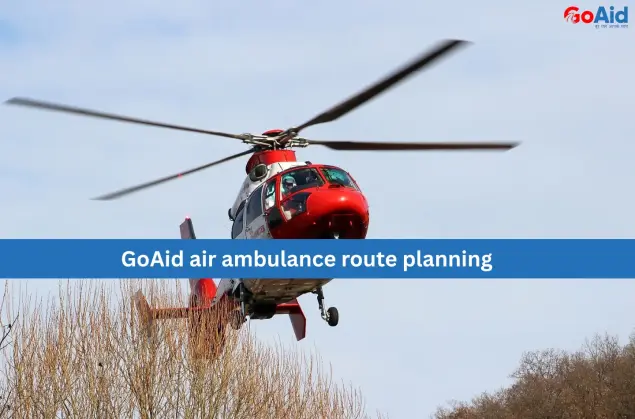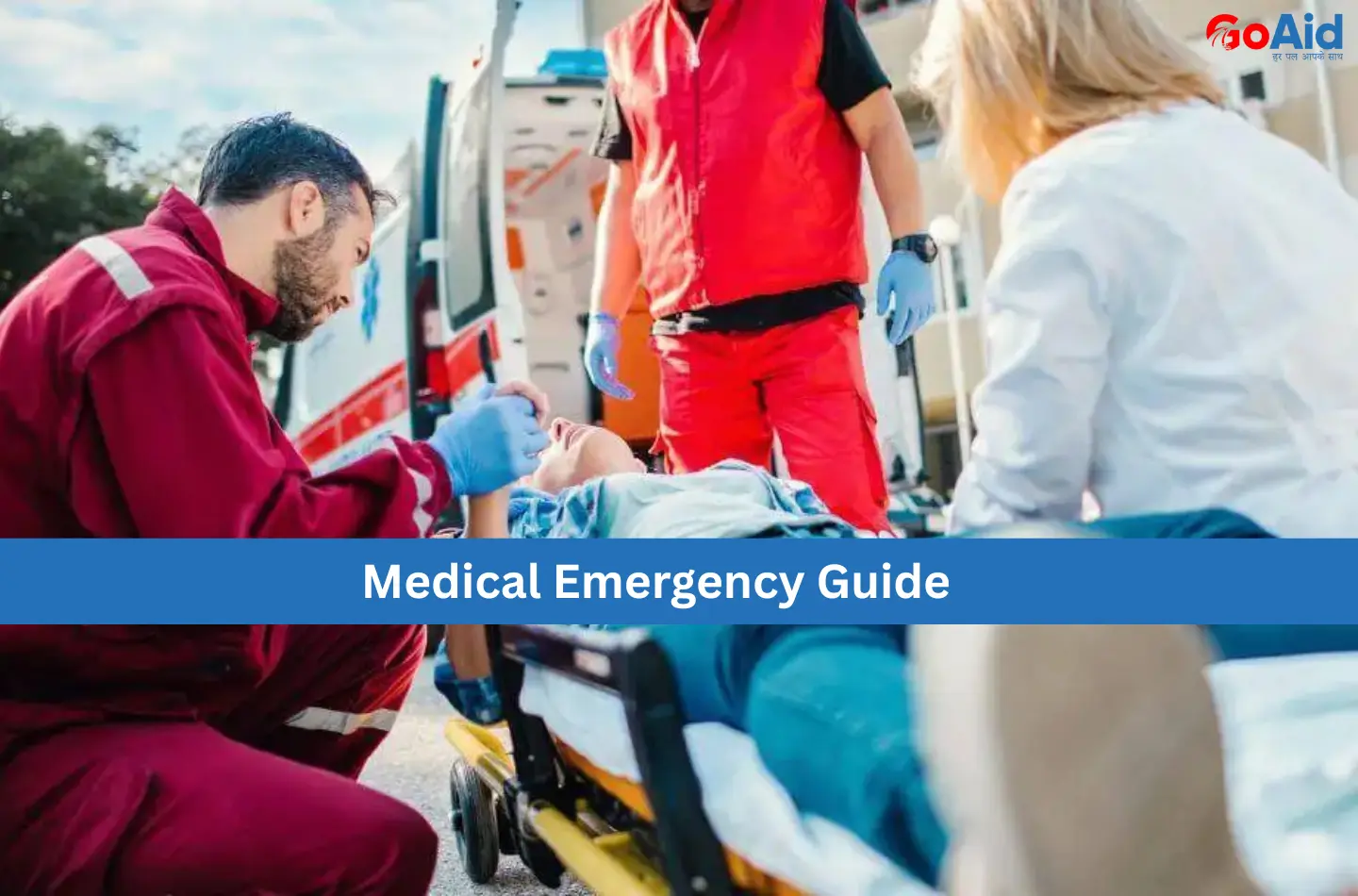
Medical Emergency Guide
Medical emergencies can happen anytime and often occur without warning, leaving people anxious, confused, and uncertain about the right steps to take. During such critical situations, having the correct information and responding quickly can make a major difference in protecting a person’s health and improving outcomes.
This is why, in this blog, we have covered all the essential details and important information related to a complete Medical Emergency Guide. This includes understanding what qualifies as a medical emergency, immediate actions to take, the role of first aid, when to contact emergency services, the importance of ambulance and air ambulance support, handling panic situations, and how GoAid Ambulance Service assists during urgent medical conditions.
Want to learn how to respond effectively during emergencies and stay prepared when every second matters? Read this blog till the end for complete guidance and valuable insights.
So, let’s begin–
What Usually Counts as a Medical Emergency? – Full List
A medical emergency is any sudden health condition requiring immediate attention, life-saving intervention, or urgent emergency medical response.
1. Cardiac Emergencies
Heart attacks, severe chest pain, and cardiac arrest are critical emergency medical response situations. Immediate intervention and life-saving medical transport like GoAid Ambulance Service support can save lives.
2. Respiratory Distress
Severe asthma attacks, difficulty breathing, or respiratory failure require urgent care. Air ambulance emergency support and prompt emergency medical response ensure patients receive critical care immediately.
3. Severe Trauma or Accidents
Road accidents, falls, or major injuries are critical care emergencies. GoAid Ambulance Service provides emergency evacuation services and life-saving medical transport for immediate hospital care.
4. Neurological Emergencies
Stroke, seizures, or sudden loss of consciousness are medical emergencies requiring rapid attention. Emergency medical response and air ambulance emergency support can prevent serious complications.
5. Severe Allergic Reactions (Anaphylaxis)
Rapid onset allergic reactions can be fatal. Quick administration of medication and emergency evacuation services from GoAid Ambulance Service ensure timely life-saving medical transport.
6. Uncontrolled Bleeding
Excessive bleeding from injuries or internal conditions is a critical care emergency. Emergency medical response with fast emergency evacuation services is essential to stabilize patients.
7. Poisoning or Overdose
Accidental or intentional ingestion of toxic substances demands immediate attention. GoAid Ambulance Service provides life-saving medical transport and air ambulance emergency support for urgent hospital intervention.
What Are Immediate Steps to Take During a Medical Emergency?
During a medical emergency, quick and correct actions are vital to ensure patient safety and effective emergency medical response.
1. Assess the Situation Quickly
Identify the nature of the emergency and severity. Rapid assessment is crucial for critical care emergencies and deciding whether life-saving medical transport like GoAid Ambulance Service is needed.
2. Call for Help Immediately
Contact local emergency services or GoAid Ambulance Service for fast emergency evacuation services. Prompt emergency medical response increases survival chances during critical situations.
3. Ensure Scene Safety
Before intervening, ensure the environment is safe for both the patient and responders. Safe handling is critical in air ambulance emergency support and other life-saving medical transport operations.
4. Provide Basic First Aid
Administer basic care like CPR, bleeding control, or airway management. Effective first aid during emergencies stabilizes patients until emergency medical response arrives.
5. Keep the Patient Calm and Comfortable
Reassuring the patient reduces stress and complications. Critical care emergencies require calm intervention, and GoAid Ambulance Service teams assist during emergency evacuation services.
6. Monitor Vital Signs
Observe pulse, breathing, and consciousness levels. Continuous monitoring is essential during air ambulance emergency support and life-saving medical transport.
7. Prepare for Transport
If immediate hospital transfer is required, arrange emergency evacuation services. GoAid Ambulance Service ensures rapid deployment of air ambulance emergency support or ground transport.
8. Gather Patient Information
Collect medical history, allergies, and current medications. This information aids critical care emergencies management during life-saving medical transport.
9. Avoid Causing Further Injury
Handle the patient gently and avoid unnecessary movement. Proper care ensures safe first aid during emergencies and reduces risks during emergency medical response.
10. Follow Instructions from Emergency Professionals
Cooperate with paramedics or GoAid Ambulance Service staff. Following guidance ensures safe and effective air ambulance emergency support and emergency evacuation services.
Also Read: Top 10 Air Ambulance Service Providers in Delhi
Key Importance of First Aid in Emergency Situations
First aid during emergencies is crucial to stabilize patients, prevent complications, and save lives until emergency medical response or life-saving medical transport arrives.
1. Immediate Stabilization of Patients
Providing first aid during emergencies helps stabilize vital signs, preventing deterioration and giving GoAid Ambulance Service teams time to organize emergency evacuation services.
2. Reduces Risk of Fatalities
Timely first aid during emergencies can prevent deaths in critical care emergencies. This ensures faster intervention and safe life-saving medical transport.
3. Controls Bleeding and Wounds
Proper first aid stops excessive bleeding and manages injuries. Emergency medical response through air ambulance emergency support ensures patients reach hospitals safely.
4. Maintains Airway and Breathing
First aid keeps airways open in respiratory distress or choking. GoAid Ambulance Service integrates these steps in emergency evacuation services for critical care patients.
5. Prevents Shock and Complications
Administering first aid can prevent shock in trauma or allergic reactions. This enhances critical care emergencies management during life-saving medical transport.
6. Supports Effective CPR
In cardiac emergencies, immediate CPR is vital. First aid during emergencies bridges the gap until GoAid Ambulance Service provides air ambulance emergency support.
7. Reduces Recovery Time
Early intervention through first aid can limit damage and speed up recovery. Emergency medical response ensures patient stability during life-saving medical transport.
8. Provides Guidance to Non-Medical Responders
First aid instructions enable family or bystanders to assist safely until emergency evacuation services or GoAid Ambulance Service teams arrive.
9. Minimizes Long-Term Health Impacts
Quick and correct first aid during emergencies reduces lasting injuries and complications, complementing critical care emergencies handled during life-saving medical transport.
10. Builds Confidence in Handling Emergencies
Knowledge of first aid empowers individuals to act calmly. Emergency medical response teams from GoAid Ambulance Service rely on initial stabilization before air ambulance emergency support.
When to Call Emergency Medical Services?
You should call emergency medical response services immediately in any life-threatening situation. This includes severe chest pain, difficulty breathing, uncontrolled bleeding, unconsciousness, severe allergic reactions, major trauma, or suspected poisoning.
Calling GoAid Ambulance Service at 8008280020 ensures rapid deployment of trained medical teams, air ambulance support, and life-saving medical transport.
Immediate contact with professionals improves survival chances, stabilizes the patient en route, and ensures uninterrupted coordination with hospitals. For both adults and children, timely access to emergency evacuation services is critical for preventing complications and saving lives.
Also Read : Top 10 Myths and Facts About Air Ambulance Services
Role of Ambulance and Air Ambulance Support
Ambulance and air ambulance emergency support play a crucial role in providing rapid emergency medical response, life-saving medical transport, and timely care during critical care emergencies.
1. Rapid Patient Transfer to Hospitals
Ambulances and air ambulance emergency support ensure quick life-saving medical transport. This reduces delays in emergency medical response for patients needing immediate hospital care during critical care emergencies.
2. Equipped with Emergency Medical Tools
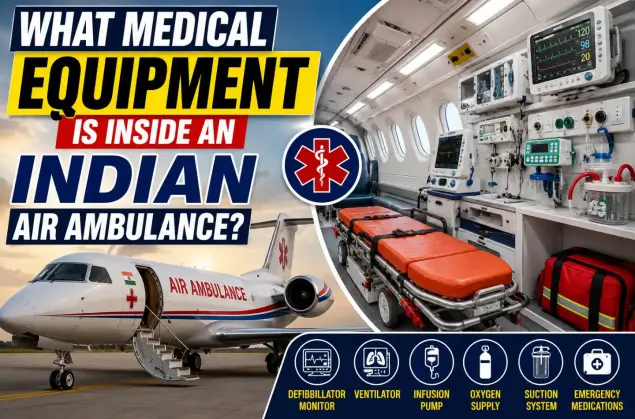
Both ground and air ambulances carry advanced medical equipment. GoAid Ambulance Service provides air ambulance emergency support with ventilators, monitors, and defibrillators for efficient critical care emergencies management.
3. Trained Medical Personnel Onboard
Ambulances include paramedics and doctors who provide immediate interventions. Emergency medical response teams in air ambulance emergency support stabilize patients during life-saving medical transport.
4. Supports First Aid During Transit
Patients receive first aid during emergencies en route. This ensures their condition remains stable. GoAid Ambulance Service integrates air ambulance emergency support with pre-hospital care for critical care emergencies.
5. Enables Remote and Rural Access
Ambulances reach locations where hospitals are distant. Air ambulance emergency support extends life-saving medical transport capabilities across India for fast emergency medical response.
6. Coordination with Hospitals for Preparedness
Ambulance teams communicate with hospitals to ensure readiness. GoAid Ambulance Service uses air ambulance emergency support for uninterrupted critical care emergencies management.
7. Reduces Mortality and Complications
Timely ambulance and air ambulance emergency support minimize delays. This improves survival rates. GoAid Ambulance Service ensures rapid life-saving medical transport during all emergency medical response situations.
Also Read : Why Trust Matters in Air Ambulance Services
How to Handle Panic and Make Quick Decisions?
During a medical emergency, staying calm and acting decisively is crucial for effective emergency medical response and safe life-saving medical transport.
1. Take a Deep Breath and Stay Calm
Focus on controlling your emotions. Remaining calm is essential during critical care emergencies and for coordinating with GoAid Ambulance Service for emergency evacuation services.
2. Assess the Situation Quickly
Identify the type and severity of the emergency. A fast evaluation ensures proper emergency medical response and timely air ambulance emergency support.
3. Prioritize Life-Threatening Conditions
Address the most critical issues first, such as cardiac arrest or severe bleeding. This is crucial in critical care emergencies and life-saving medical transport situations.
4. Call Emergency Services Immediately
Contact trained professionals like GoAid Ambulance Service at 8008280020. Immediate emergency evacuation services and air ambulance emergency support improve patient survival.
5. Administer Basic First Aid if Trained
Provide first aid during emergencies such as CPR or wound care until life-saving medical transport arrives from GoAid Ambulance Service.
6. Keep the Patient Calm and Comfortable
Reassuring the patient reduces panic and complications. This step supports safe emergency medical response and smooth air ambulance emergency support.
7. Follow Instructions from Professionals
Listen carefully to paramedics or GoAid Ambulance Service staff. Following guidance ensures effective critical care emergencies management and safe life-saving medical transport.
How Does GoAid Ambulance Help During Medical Emergencies?
GoAid Ambulance Service provides comprehensive support during medical emergencies. This ensures rapid response, professional care, and safe patient transport. Their services include 24/7 availability, expert paramedics, doctors, and nurses trained for critical care emergencies.
Equipped with advanced medical tools, air ambulance emergency support, and temperature-controlled transport, GoAid ensures patients receive immediate attention. They coordinate with hospitals, manage emergency evacuation services, and provide life-saving medical transport from accident sites, homes, or remote areas.
With transparent cost structures, nationwide coverage, and timely emergency medical response, GoAid Ambulance Service ensures patients reach the appropriate medical facility safely and efficiently.
Conclusion
In conclusion, we have provided you all details about the Medical Emergency Guide. This includes how to stay calm, perform first aid during emergencies, and utilize professional emergency medical response services. GoAid Ambulance Service ensures rapid life-saving medical transport, air ambulance emergency support, and coordinated emergency evacuation services across India.
With expert medical teams, advanced equipment, and 24/7 availability, GoAid remains a reliable choice for critical care emergencies. This helps patients and families navigate medical crises with safety, efficiency, and confidence.
FAQs
Q1: What qualifies as a medical emergency?
A: A medical emergency includes sudden life-threatening conditions like heart attacks, severe trauma, breathing difficulties, or poisoning. GoAid Ambulance Service provides emergency evacuation services and air ambulance emergency support. Call 8008280020 immediately.
Q2: How fast can GoAid respond to emergencies?
A: GoAid Ambulance Service operates 24/7 with rapid deployment for critical care emergencies. Life-saving medical transport and air ambulance emergency support are available immediately. Call 8008280020 for urgent assistance.
Q3: Are GoAid services available nationwide?
A: Yes, GoAid Ambulance Service provides emergency medical response, life-saving medical transport, and air ambulance emergency support across India. Contact 8008280020 for coordination.
Q4: Can GoAid handle pediatric or neonatal emergencies?
A: Absolutely. GoAid Ambulance Service offers specialized teams and air ambulance emergency support for infants and children during critical care emergencies.
Q5: Do GoAid ambulances provide first aid during emergencies?
A: Yes, GoAid Ambulance Service ensures first aid during emergencies en route, stabilizing patients before reaching hospitals with life-saving medical transport.
Q6: How do I book a GoAid ambulance?
A: Booking is simple, call 8008280020 anytime. GoAid Ambulance Service provides emergency evacuation services and air ambulance emergency support for urgent patient transport.
Q7: Are the GoAid services government-approved?
A: Yes, GoAid Ambulance Service follows government guidelines. This offers reliable emergency medical response, life-saving medical transport, and air ambulance emergency support with transparent charges.