Night-time air ambulance missions
Night-time medical emergencies can be unpredictable and critical, yet many people are unaware of how air ambulances operate safely and efficiently in the dark. Understanding GoAid’s role in night-time air ambulance missions is important because it highlights how patients receive urgent care even during late hours. Knowing these details can reassure families that life-saving transfers are handled with precision and safety at all times.
This is why, in this blog, we have explained all the details about the challenges of night air medical operations, advanced navigation and night flying protocols, preparation of the medical team during night transfers, patient safety measures followed in night flights, and 24/7 coordination with airports and hospitals. Do you want to know all this information in detail? Then read this blog to the end.
So, let’s start:
What Are the Challenges of Night Air Medical Operations?
Night air medical operations play a crucial role in saving lives when time is critical. However, operating an air ambulance at night involves complex challenges related to visibility, navigation, weather, and patient safety. GoAid Air Ambulance addresses these challenges with advanced planning, trained crews, and strict safety protocols to ensure smooth night-time transfers.
1. Limited Visibility Conditions
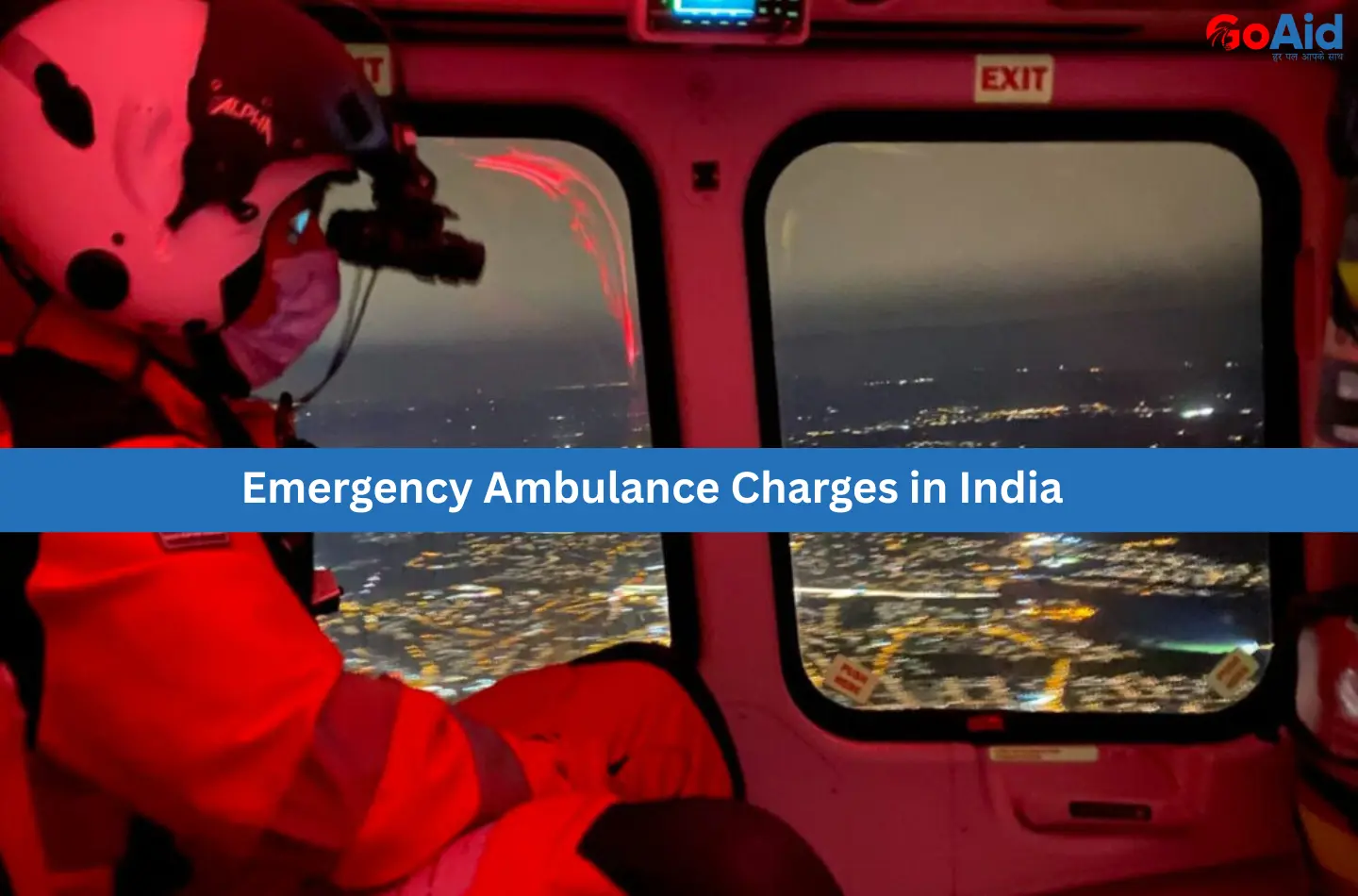
Night flying significantly reduces natural visibility. This makes terrain, obstacles, and landing zones harder to identify. Air ambulance pilots rely on advanced instruments and night-vision systems to maintain safe navigation during night missions.
2. Unpredictable Weather Patterns
Weather conditions often change rapidly at night. This includes fog, low clouds, and reduced wind visibility. These factors demand constant weather monitoring and quick decision-making to avoid risks during medical flights.
3. Restricted Landing Zone Identification
Identifying safe landing zones at night is challenging due to poor lighting. Proper ground coordination and illuminated landing sites are essential for safe patient transfer operations.
4. Increased Pilot Fatigue Risk
Night missions can cause physical and mental fatigue among pilots. Strict duty-hour regulations and crew rotation help manage alertness during long or emergency flights.
5. Air Traffic Coordination Issues
Although air traffic is lower at night, coordination with airports and air traffic control remains critical to avoid unexpected aerial hazards.
6. Communication Barriers
Limited ground visibility can affect communication between air and ground teams. Reliable communication systems are vital for uninterrupted patient handover.
7. Emergency Decision-Making Pressure
Medical emergencies at night often involve critical patients. This increases pressure on crews to make rapid yet accurate decisions.
8. Technical Dependency on Instruments
Night operations rely heavily on aircraft instruments. Any technical malfunction can pose serious risks. This requires thorough pre-flight checks.
9. Patient Stability Concerns
Patients transported at night are often in critical condition, demanding continuous medical monitoring throughout the flight.
10. Ground Support Limitations
Availability of hospital staff, landing crew, or ground ambulances may be limited at night. This requires advanced coordination.
What Advanced Navigation and Night Flying Protocols Are Used?
To overcome night-time challenges, GoAid Air Ambulance follows advanced navigation techniques and globally approved night flying protocols. These systems ensure safe, accurate, and efficient air medical transfers even in low-visibility conditions.
1. Night Vision Goggles (NVG)
Pilots use NVGs to enhance visibility in dark environments. This allows safer terrain and obstacle detection during night flights.
2. GPS-Based Navigation Systems
Advanced GPS systems provide precise route planning and real-time tracking. This reduces navigation errors during night operations.
3. Instrument Flight Rules (IFR)
IFR protocols allow pilots to operate safely using instruments rather than visual cues, essential for night and low-visibility flying.
4. Enhanced Terrain Awareness Systems
These systems alert pilots about nearby terrain and obstacles. This minimizes collision risks during night medical missions.
5. Continuous Weather Monitoring
Real-time weather updates help crews adjust routes and timings to avoid adverse night-time weather conditions.
6. Standardized Night Flying Checklists
Strict pre-flight and in-flight checklists ensure all safety measures are followed without exception.
7. Air Traffic Control Coordination
Constant coordination with ATC ensures smooth airspace management and safe landings at night.
How Is the Medical Team Prepared During Night Transfers?
Night air ambulance transfers require exceptional readiness from the medical team due to increased patient vulnerability and operational complexity. GoAid Air Ambulance ensures that its medical professionals are thoroughly trained and prepared for night missions.
Doctors, paramedics, and nurses undergo specialized training focused on critical care during low-light and high-stress environments. Before each night transfer, the medical team conducts a detailed patient assessment to evaluate stability, oxygen needs, and risk factors.
Equipment such as ventilators, monitors, infusion pumps, and emergency drugs are double-checked to avoid any mid-air complications. Teams are trained to manage cardiac emergencies, trauma cases, respiratory failure, and neonatal transfers even in challenging night conditions.
Clear communication protocols are established between the medical crew, pilots, ground ambulance staff, and receiving hospitals. Fatigue management strategies. This includes duty rotation and rest periods, are strictly followed. This comprehensive preparation allows GoAid’s medical team to deliver uninterrupted ICU-level care throughout night-time air ambulance transfers.
What Patient Safety Measures Are Followed in Night Flights?
Patient safety remains the highest priority during night air ambulance operations. GoAid follows strict safety protocols to ensure secure and comfortable medical transfers regardless of the hour.
1. Pre-Flight Medical Stabilization
Patients are stabilized thoroughly before boarding to reduce in-flight complications.
2. Continuous Vital Monitoring
Advanced monitors track heart rate, oxygen levels, and blood pressure throughout the flight.
3. Secure Patient Positioning
Patients are safely restrained to prevent movement during turbulence.
4. Redundant Medical Equipment
Backup equipment and medications are carried to handle emergencies.
5. Infection Control Measures
Strict hygiene and sterilization protocols are followed during transfers.
6. Trained Night Medical Crew
Only experienced medical professionals are assigned to night flights.
7. Real-Time Communication
Continuous communication with receiving hospitals ensures readiness upon arrival.
8. Emergency Response Protocols
Standard emergency procedures are in place for unexpected situations.
9. Aircraft Safety Checks
Night-specific aircraft inspections are conducted before every mission.
10. Coordinated Ground Support
Ground ambulances and hospital teams are pre-arranged to avoid delays.
Conclusion
In conclusion, we have provided all the details about night-time air ambulance operations and how GoAid Air Ambulance effectively manages them. From overcoming visibility and weather challenges to using advanced navigation systems and well-trained medical teams, every aspect is carefully planned.
Patient safety remains central through strict protocols, continuous monitoring, and uninterrupted coordination. With 24/7 availability, government-approved practices, and a commitment to innovation, GoAid Air Ambulance ensures reliable and life-saving air medical transfers even during the most challenging night conditions.
FAQs
Q1: Are GoAid air ambulances available at night?
A: Yes, GoAid air ambulances operate round the clock. This includes night hours. The service is designed to handle critical emergencies at any time. This ensures patients receive timely medical transport even during late-night or early-morning situations.
Q2: How is patient safety ensured during night flights?
A: Patient safety is ensured through continuous monitoring, experienced medical staff, advanced equipment, secure patient positioning, and strict adherence to night flying and medical safety protocols throughout the journey.
Q3: What challenges exist in night-time air ambulance missions?
A: Night missions involve challenges such as limited visibility, unpredictable weather, pilot fatigue, landing zone identification, and increased reliance on instruments, all of which require advanced planning and expertise.
Q4: Do night air ambulances follow different protocols?
A: Yes, night air ambulances follow additional safety and navigation protocols. This includes night vision systems, enhanced checklists, fatigue management, and specialized training for pilots and medical teams.
Q5: Is GoAid air ambulance available 24/7 in India?
A: GoAid Air Ambulance operates 24/7 across India. This provides emergency and planned air medical transfers during both day and night. This ensures uninterrupted access to critical care services.