Neonatal Transport Guide & Its Need
When it comes to newborns and infants, even a small delay in medical care can become life-threatening. In India, the lack of advanced neonatal facilities in many regions makes safe and timely pediatric transport extremely critical for saving young lives.
This is why, in this blog, we have added all the details and key information related to the Neonatal Transport Guide. This includes pediatric air ambulance services, neonatal patient transfer, NICU-equipped air ambulances, medical teams involved, safety protocols, challenges, and how GoAid Air Ambulance Service ensures critical care baby transport with precision.
Are you excited to know all these details? Then don’t just wait! Read our blog till the end to get the guidance you need the most.
So, let’s start–
What Is Neonatal and Pediatric Medical Transport?
What Is Neonatal Medical Transport?
Neonatal medical transport refers to the safe transfer of newborn babies, especially premature or critically ill infants, from one medical facility to another. As part of a Neonatal Transport Guide, this process often uses NICU-equipped air ambulances with incubators, ventilators, and trained neonatal specialists to ensure stable neonatal patient transfer and continuous critical care during emergency infant transport.
What Is Pediatric Medical Transport?
Pediatric medical transport involves transferring infants, children, or adolescents who need specialized medical care unavailable at the current facility. Pediatric air ambulance services provide advanced monitoring, life-support systems, and trained pediatric medical teams. This ensures safe emergency pediatric transport and effective infant medical evacuation with GoAid Air Ambulance Service.
Importance of Timely Neonatal Transport in India
Timely neonatal transport is critical to reduce infant mortality and ensure access to advanced neonatal care across India.
1. Reduces Neonatal Mortality Rates
Prompt neonatal patient transfer plays a crucial role in saving newborn lives. Timely emergency pediatric transport ensures critically ill infants reach NICU-equipped hospitals before complications worsen, as highlighted in every Neonatal Transport Guide.
2. Provides Access to Advanced NICU Facilities
Many regions in India lack specialized neonatal care. Pediatric air ambulance services enable quick transfer to tertiary hospitals with advanced NICU setups. This ensures better outcomes in critical care baby transport cases.
3. Prevents Condition Deterioration During Delays
Delays in neonatal transport can lead to oxygen deprivation, infections, or organ failure. Emergency infant care through air ambulances ensures continuous monitoring and stabilization during neonatal patient transfer.
4. Ensures Safe Transfer of Premature Babies
Premature infants require controlled temperature, oxygen, and ventilation. NICU-equipped air ambulance services maintain stable environments. This makes infant medical evacuation safer during long-distance transfers.
5. Supports Management of Birth Complications
Complications such as respiratory distress, low birth weight, or congenital conditions require urgent care. Timely pediatric air ambulance services ensure babies receive specialized neonatal treatment without delay.
6. Bridges Healthcare Gaps Between Urban and Rural India
Emergency pediatric transport helps bridge the healthcare gap by connecting rural hospitals to urban NICUs. Neonatal Transport Guide principles emphasize rapid access to specialized care regardless of location.
7. Reduces Risk of In-Transit Medical Emergencies
Properly planned neonatal patient transfer with trained teams reduces in-transit risks. Air ambulances offer advanced monitoring and immediate intervention capabilities during emergency infant transport.
8. Enables Continuous Critical Care During Transit
Unlike standard transport, pediatric air ambulance services provide uninterrupted NICU-level care. This continuity is essential in critical care baby transport, especially for high-risk newborns.
9. Improves Long-Term Health Outcomes
Early access to advanced neonatal care through timely transport reduces long-term complications. Neonatal Transport Guide practices focus on early intervention to improve survival and developmental outcomes.
10. Supports Family Confidence and Medical Decision-Making
Timely neonatal transport reassures families during stressful situations. Knowing that emergency pediatric transport is available helps parents and doctors make faster, life-saving decisions.
Role of NICU-Equipped Air Ambulances in Neonatal Care
NICU-equipped air ambulances play a vital role in providing safe, advanced, and rapid neonatal medical transport in India.
1. Provide ICU-Level Care in the Air
NICU-equipped air ambulance services function as flying neonatal ICUs. They include incubators, ventilators, infusion pumps, and monitors. This ensures safe neonatal patient transfer during emergency pediatric transport.
2. Maintain Thermal Stability for Newborns
Temperature control is critical for newborn survival. NICU-equipped air ambulances ensure a controlled environment, preventing hypothermia during infant medical evacuation.
3. Enable Continuous Monitoring and Intervention
These air ambulances allow real-time monitoring of vital signs. Pediatric air ambulance services ensure immediate medical intervention if a newborn’s condition changes mid-flight.
4. Support Ventilated and High-Risk Infants
Critically ill or ventilated babies can be safely transported using NICU-equipped air ambulance services. This ensures uninterrupted respiratory and cardiac support.
5. Reduce Transport Time Significantly
Emergency pediatric transport by air reduces travel time compared to road options. Faster neonatal patient transfer improves survival chances and reduces medical complications.
6. Staffed by Specialized Neonatal Medical Teams
NICU-equipped air ambulances include trained neonatologists, pediatric nurses, and paramedics. This ensures expert care during critical care baby transport.
7. Improve Overall Neonatal Survival Outcomes
By combining speed, technology, and expertise, NICU-equipped air ambulance services significantly improve outcomes in emergency infant care and neonatal transport across India.
Medical Team and Equipment Required for Neonatal Transport
Safe neonatal transport depends on specialized medical teams and advanced equipment designed for critical care baby transport.
1. Trained Neonatologist or Pediatric Specialist
A qualified neonatologist or pediatric specialist is essential for neonatal patient transfer. Their expertise ensures proper assessment, stabilization, and decision-making during emergency pediatric transport, as recommended in every Neonatal Transport Guide.
2. Neonatal Critical Care Nurses
Neonatal transport requires skilled NICU nurses trained in emergency infant care. These professionals manage ventilation, medications, and monitoring throughout pediatric air ambulance services. This ensures safe infant medical evacuation.
3. Specialized Paramedics for Pediatric Transport
Paramedics trained in neonatal and pediatric emergencies play a key role in critical care baby transport. They assist doctors, handle equipment, and respond quickly to in-transit complications during neonatal patient transfer.
4. NICU-Equipped Transport Incubator
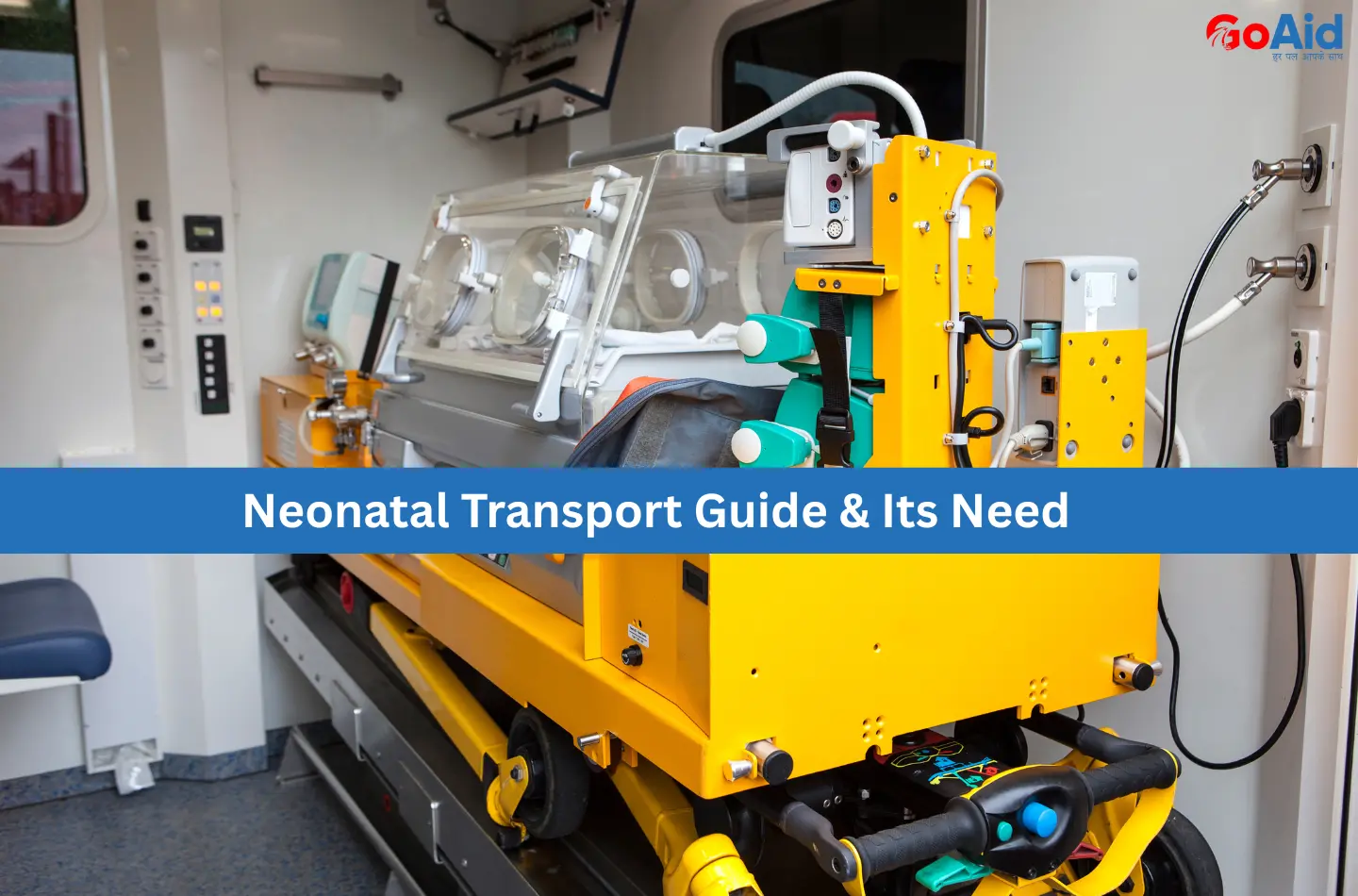
A transport incubator is a core requirement in neonatal transport. NICU-equipped air ambulance services use incubators with thermal control to maintain stable body temperature during emergency pediatric transport.
5. Neonatal Ventilators and Respiratory Support
Ventilators designed for newborns provide precise respiratory support. These devices are vital in neonatal patient transfer, especially for premature or respiratory-distressed infants during infant medical evacuation.
6. Advanced Monitoring Systems
Continuous monitoring of heart rate, oxygen saturation, blood pressure, and respiration is essential. Pediatric air ambulance services use advanced monitors to ensure early detection of complications during neonatal transport.
7. Infusion Pumps and Medication Delivery Systems
Accurate medication and fluid delivery is critical in neonatal care. Infusion pumps used in NICU-equipped air ambulance services ensure controlled dosing during emergency infant care.
8. Oxygen Supply with Backup Systems
A reliable oxygen supply with multiple backups is mandatory for neonatal transport. This ensures uninterrupted respiratory support during long-distance pediatric air ambulance services.
9. Infection Control and Safety Equipment
Neonatal transport requires strict infection prevention measures. NICU-equipped air ambulances carry sterilized equipment, PPE kits, and isolation protocols to protect vulnerable newborns during neonatal patient transfer.
10. Coordination and Communication Tools
Effective communication between sending and receiving hospitals is crucial. Medical aviation services use real-time communication tools to ensure uninterrupted neonatal transport and safe handover at NICU facilities, as supported by GoAid Air Ambulance Service.
Safety Protocols in Neonatal Patient Transfer
Strict safety protocols are essential to ensure stable, secure, and complication-free neonatal patient transfer during medical emergencies.
1. Pre-Transport Medical Assessment and Stabilization
Before neonatal transport, a detailed medical assessment is conducted to stabilize the infant. As outlined in every Neonatal Transport Guide, vital signs, airway, breathing, and circulation are secured to reduce risks during emergency pediatric transport.
2. Use of NICU-Equipped Air Ambulances
NICU-equipped air ambulance services are mandatory for critical neonatal patient transfer. These pediatric air ambulance services provide incubators, ventilators, and monitoring systems. This ensures ICU-level care throughout infant medical evacuation.
3. Continuous Monitoring During Transit
Continuous monitoring of oxygen saturation, heart rate, temperature, and blood pressure is a key safety protocol. Pediatric air ambulance services enable real-time tracking and immediate intervention during neonatal transport.
4. Presence of Specialized Neonatal Medical Teams
A trained neonatal medical team. This includes neonatologists and NICU nurses, is essential. Their expertise ensures rapid response to complications and adherence to safety standards during emergency pediatric transport.
5. Strict Infection Control Measures
Neonatal patient transfer follows rigorous infection prevention protocols. NICU-equipped air ambulances use sterilized equipment, PPE kits, and isolation techniques to protect newborns with weak immunity during transport.
6. Secure Positioning and Equipment Fixation
All neonatal equipment. This includes incubators and monitors, is securely fastened to prevent movement during flight. Proper positioning ensures safety and comfort during critical care baby transport.
7. Coordinated Handover at Receiving Hospital
A structured handover process is followed at the destination hospital. Pediatric air ambulance services ensure clear communication with NICU teams. This allows uninterrupted continuation of neonatal care as recommended in the Neonatal Transport Guide.
Challenges in Pediatric and Neonatal Transport
Pediatric and neonatal transport involves multiple medical, logistical, and safety challenges that require expert planning and advanced medical aviation support.
1. Limited Access to Specialized NICU Facilities
- What is the challenge: Many regions in India lack advanced NICU care. This makes neonatal patient transfer difficult and time-sensitive, especially for premature or critically ill infants requiring immediate specialized treatment.
- How GoAid Deals with it: GoAid Air Ambulance Service provides NICU-equipped air ambulance solutions that rapidly connect remote hospitals with advanced NICUs. This ensures safe and timely emergency pediatric transport.
2. Time Sensitivity in Critical Neonatal Conditions
- What is the challenge: Delays during neonatal transport can worsen respiratory distress, infections, or organ failure, increasing risks during critical care baby transport across long distances.
- How GoAid Deals with it: GoAid Air Ambulance Service ensures rapid deployment of pediatric air ambulance services. This reduces transit time and enabling faster access to advanced neonatal care.
3. Maintaining Thermal Stability of Newborns
- What is the challenge: Newborns are highly sensitive to temperature changes, and improper thermal control during neonatal patient transfer can lead to hypothermia and serious complications.
- How GoAid Deals with it: GoAid uses NICU-equipped air ambulance aircraft with advanced transport incubators to maintain optimal temperature during infant medical evacuation.
4. Managing Ventilated and High-Risk Infants
- What is the challenge: Transporting ventilated or critically ill infants requires continuous respiratory support, posing risks during emergency pediatric transport if not properly managed.
- How GoAid Deals with it: GoAid Air Ambulance Service deploys trained neonatal teams and advanced ventilators to ensure uninterrupted care during neonatal transport.
5. Risk of In-Transit Medical Complications
- What is the challenge: Sudden changes in vital signs or equipment issues can arise during neonatal patient transfer, requiring immediate medical intervention.
- How GoAid Deals with it: GoAid’s pediatric air ambulance services include continuous monitoring systems and experienced medical teams for rapid response during critical care baby transport.
6. Infection Control During Neonatal Transport
- What is the challenge: Newborns have weak immune systems. This makes infection control a major concern during emergency pediatric transport.
- How GoAid Deals with it: GoAid Air Ambulance Service follows strict hygiene protocols, sterilized equipment use, and PPE standards in every NICU-equipped air ambulance mission.
7. Coordination Between Sending and Receiving Hospitals
- What is the challenge: Poor coordination can delay treatment and increase risks during neonatal transport, especially in emergency cases.
- How GoAid Deals with it: GoAid ensures end-to-end coordination. This includes hospital communication and NICU bed confirmation, for smooth neonatal patient transfer.
8. Long-Distance and Interstate Transfers
- What is the challenge: Road transport over long distances increases stress and complications in pediatric and neonatal transport.
- How GoAid Deals with it: GoAid’s pediatric air ambulance services provide fast, reliable infant medical evacuation across states. This minimizes travel time and medical risks.
9. Shortage of Trained Neonatal Transport Teams
- What is the challenge: Skilled professionals trained in neonatal transport are limited, affecting the quality of emergency care during transfers.
- How GoAid Deals with it: GoAid Air Ambulance Service deploys experienced neonatologists, NICU nurses, and paramedics trained in emergency pediatric transport.
10. High Stress for Parents and Families
- What is the challenge: Pediatric and neonatal emergencies cause immense emotional stress for families during neonatal patient transfer.
- How GoAid Deals with it: GoAid provides compassionate communication, real-time updates, and reliable emergency pediatric transport. This helps families feel supported throughout the process.
How GoAid Air Ambulance Supports Neonatal Transport
GoAid Air Ambulance Service provides specialized, fast, and safe solutions for neonatal transport and emergency pediatric transport across India.
1. NICU-Equipped Air Ambulance Aircraft
GoAid Air Ambulance Service operates NICU-equipped air ambulance aircraft fitted with transport incubators, neonatal ventilators, and monitoring systems. These facilities ensure safe neonatal patient transfer and uninterrupted critical care baby transport during long-distance missions.
2. Specialized Neonatal Medical Teams
GoAid deploys trained neonatologists, NICU nurses, and paramedics experienced in pediatric air ambulance services. Their expertise ensures continuous monitoring and expert intervention during emergency pediatric transport and infant medical evacuation.
3. Rapid Response and Time-Critical Coordination
Timely action is crucial in neonatal transport. GoAid Air Ambulance Service ensures quick activation, flight planning, and hospital coordination to reduce delays in neonatal patient transfer.
4. End-to-End Hospital Coordination
GoAid manages complete coordination between referring and receiving hospitals. This uninterrupted approach supports safe neonatal transport, NICU bed confirmation, and smooth handover during emergency pediatric transport.
5. Advanced In-Flight Monitoring and Life Support
During neonatal transport, GoAid air ambulances provide real-time monitoring of vital signs, ventilation, and oxygen levels. These pediatric air ambulance services function as flying NICUs for critical care baby transport.
6. Strict Safety and Infection Control Protocols
GoAid Air Ambulance Service follows stringent safety and hygiene standards. NICU-equipped aircraft are sterilized, and PPE protocols are followed to protect newborns during infant medical evacuation.
7. Nationwide Coverage and 24/7 Availability
GoAid offers round-the-clock emergency pediatric transport across India. With nationwide reach and reliable pediatric air ambulance services, GoAid ensures timely neonatal patient transfer whenever and wherever needed.
Conclusion
In conclusion, we have provided you all details about the Neonatal Transport Guide, explaining the importance of timely neonatal transport, advanced pediatric air ambulance services, and the role of NICU-equipped air ambulance aircraft in India.
From trained medical teams and specialized equipment to safety protocols and real-world challenges, every aspect of neonatal patient transfer has been covered.
GoAid Air Ambulance Service stands out by offering reliable emergency pediatric transport, nationwide coverage, and compassionate care. When it comes to safe infant medical evacuation and critical care baby transport. This chooses an experienced provider like GoAid can make a life-saving difference.
FAQs
Q1: What is neonatal transport and when is it required?
A: Neonatal transport involves transferring critically ill or premature newborns to hospitals with advanced NICU care. It is required when local facilities lack specialized treatment. For urgent neonatal patient transfer, contact GoAid Air Ambulance Service at 8008280020.
Q2: How does a NICU-equipped air ambulance help newborns?
A: A NICU-equipped air ambulance provides incubators, ventilators, and continuous monitoring during flight. This ensures safe critical care baby transport and stable infant medical evacuation, especially over long distances. Call 8008280020 for expert assistance.
Q3: Who is part of the neonatal transport medical team?
A: Pediatric air ambulance services include neonatologists, NICU nurses, and trained paramedics. These specialists manage ventilation, medication, and monitoring throughout emergency pediatric transport. This ensures safe and expert neonatal care.
Q4: Is neonatal air ambulance service available across India?
A: Yes, GoAid Air Ambulance Service offers nationwide neonatal transport coverage. Their pediatric air ambulance services connect remote areas with advanced NICUs across India. For coordination, call 8008280020 anytime.
Q5: How fast can GoAid arrange neonatal transport?
A: GoAid Air Ambulance Service operates 24/7 and can arrange neonatal patient transfer quickly after medical assessment and coordination. Fast response ensures timely emergency pediatric transport during critical situations.
Q6: Is neonatal air ambulance transport safe for premature babies?
A: Yes, when performed using NICU-equipped air ambulance aircraft and trained teams, neonatal transport is highly safe. GoAid follows strict safety protocols to protect premature infants during critical care baby transport.
Q7: How can parents book GoAid neonatal air ambulance services?
A: Parents can easily book GoAid Air Ambulance Service by calling 8008280020. The team provides complete guidance, quick coordination, and reliable emergency pediatric transport support during neonatal emergencies.