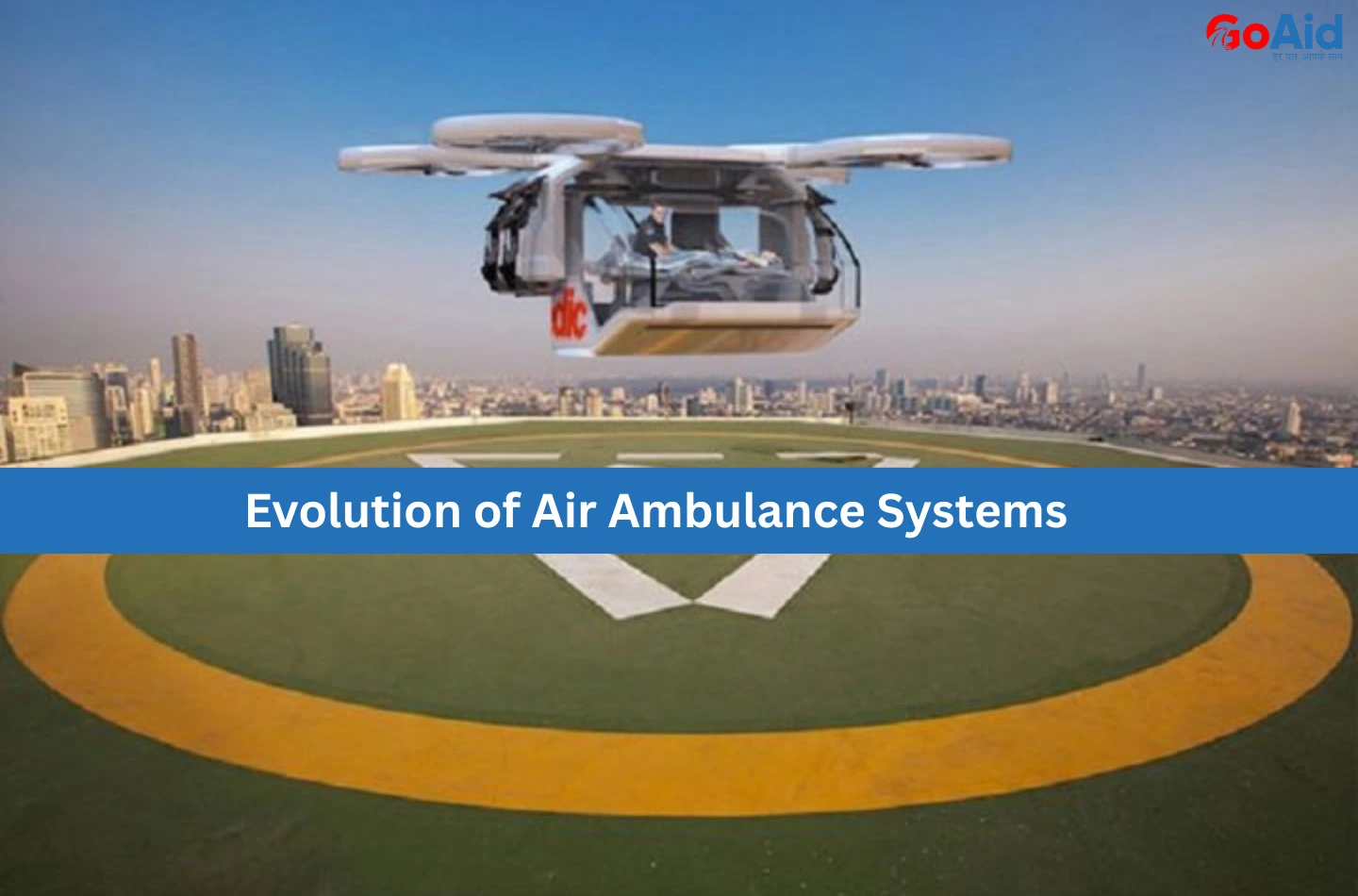
Evolution of Air Ambulance Systems
The world of air ambulance services is rapidly evolving with the help of modern technology. From real-time tracking to AI-based patient monitoring, innovation is transforming how medical emergencies are handled in the air.
Today, advanced medical air transport ensures faster response times, safer journeys, and better coordination between hospitals and air crews. This technological progress is not just improving efficiency but also saving more lives every day.
In this blog, we’ll explore how technology is shaping the future of air ambulance services in India, highlighting GoAid’s advanced systems and innovations that make emergency air transport smarter than ever. Want to now all these details at glance? Then read this blog fully.
How Was Patient Transfer Handled Historically Without Air Ambulances?
Before the introduction of air ambulances, patient transfers were primarily limited to ground transportation, often taking hours or even days in critical cases.
In the past, patients from remote or rural regions had to rely on basic road ambulances or private vehicles, which lacked medical equipment and trained staff. During emergencies such as heart attacks, strokes, or accidents in hilly areas, delays often led to worsened conditions or loss of life.
There was no real-time monitoring or communication with hospitals en route, meaning doctors could only begin treatment after arrival. Weather conditions, poor road infrastructure, and long distances further reduced survival chances. Helicopters were rarely used for civilian rescue and mostly reserved for military or disaster relief operations.
The absence of air ambulances made timely medical evacuation nearly impossible, highlighting how revolutionary the introduction of air ambulance technology has been in modern healthcare systems like GoAid’s.
The Updation to Smart Navigation and Real-Time Tracking Systems
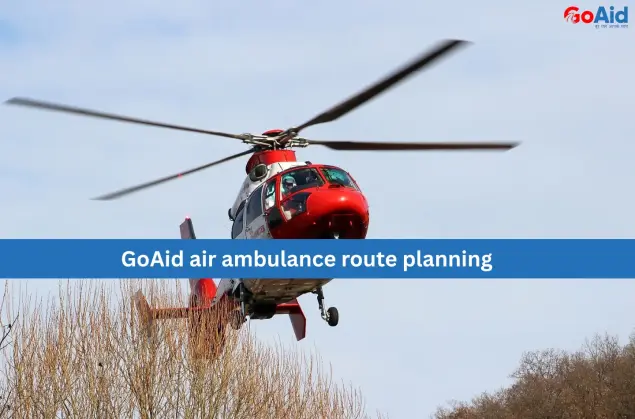
The introduction of smart navigation and real-time tracking systems has completely transformed air ambulance operations in India. Earlier, flight paths were manually planned, often facing delays due to weather or air traffic uncertainties.
Now, with GPS-based navigation, air ambulances can select the most efficient route instantly, saving precious time during emergencies. GoAid’s air ambulances are equipped with advanced flight management software.
This allows precise route optimization, live weather monitoring, and airspace coordination. Real-time tracking enables hospitals, doctors, and patient families to stay informed about the flight’s status and estimated arrival time.
This technology also improves coordination between airports, ground ambulances, and receiving hospitals, creating a Easy & uninterrupted end-to-end transfer. Smart navigation reduces fuel costs, enhances flight safety, and ensures that patients receive medical attention faster than ever before.
Such innovations make GoAid a leader in offering technologically advanced, reliable, and transparent air ambulance services across India.
Role of AI and IoT in Patient Monitoring
Modern air ambulances increasingly rely on Artificial Intelligence (AI) and the Internet of Things (IoT) to enhance patient safety and in-flight care. These technologies allow real-time, automated, and predictive healthcare during air transfers.
1. Continuous Vital Monitoring
IoT-enabled sensors track vital signs such as heart rate, oxygen saturation, and temperature, transmitting real-time data to onboard systems and hospitals simultaneously.
2. Predictive Health Alerts
AI algorithms analyze patient data to predict possible complications like cardiac arrest or oxygen drop. This allows medical teams to act before emergencies escalate.
3. Smart Ventilator Management
IoT-connected ventilators adjust oxygen flow and pressure automatically based on live patient conditions. This ensures consistent respiratory support.
4. Remote Doctor Assistance
AI systems enable doctors on the ground to monitor patient vitals live and guide in-flight paramedics through video or data-linked communication.
5. Data-Driven Decision Making
AI tools analyze patient data history and vitals. This helps paramedics decide on medication dosages or treatment steps instantly and accurately.
6. Equipment Performance Tracking
IoT sensors monitor the condition of critical equipment like defibrillators and infusion pumps, alerting staff before any malfunction occurs mid-air.
7. Automated Medical Reporting
AI automatically records medical data during flights, creating precise patient reports that are instantly shared with receiving hospitals for faster admission.
8. Enhanced Patient Safety Protocols
IoT ensures all systems remain synchronized, oxygen, temperature, and pressure, minimizing manual errors and ensuring complete patient safety.
9. Emergency Route Optimization
AI integrates patient condition data with GPS systems to suggest the nearest suitable hospital or landing zone during emergencies.
10. Cloud-Based Health Records
IoT devices upload patient data to secure cloud systems. This allows continuous access for medical professionals even after the flight ends.
Advanced Life-Support Equipment in Modern Air Ambulances
Modern air ambulances are equipped with cutting-edge life-support systems that provide intensive care equivalent to a hospital ICU. These advanced tools ensure continuous monitoring, treatment, and stabilization of patients during high-altitude medical transfers.
1. Portable Ventilators
Lightweight ventilators help maintain consistent oxygen flow and breathing patterns, crucial for patients with respiratory distress or those requiring mechanical ventilation mid-flight.
2. Multi-Parameter Monitors
These monitors display real-time data such as ECG, oxygen saturation, and blood pressure. This enables constant observation of the patient’s vital signs throughout the journey.
3. Automated External Defibrillators (AEDs)
AEDs deliver controlled electric shocks to restore normal heart rhythm in patients suffering cardiac arrest. This ensures immediate life-saving response on board.
4. Syringe and Infusion Pumps
These precisely administer IV medications or fluids, maintaining accurate dosages for patients requiring continuous drug or nutrient delivery during transfers.
5. Suction Units
Used to clear airways of fluids, blood, or secretions, suction units are essential for trauma or respiratory patients to ensure uninterrupted breathing.
6. Portable Oxygen Concentrators
These devices provide a constant oxygen supply by converting cabin air into medical-grade oxygen. This ensures sustainability during long-distance flights.
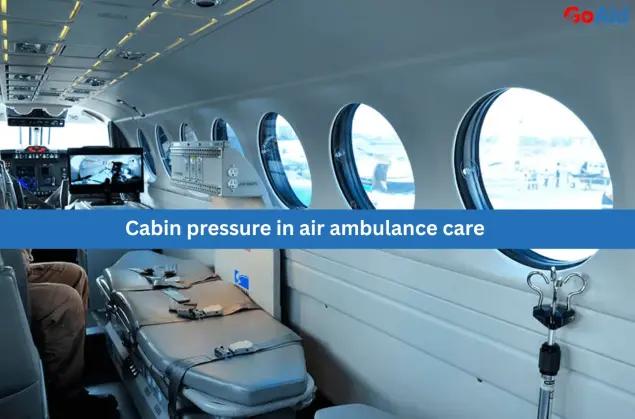
7. Emergency Ventilated Stretchers
Designed for critical or immobilized patients, these stretchers integrate ventilators and monitors. This ensures comfort and stability throughout the transfer.
8. Neonatal Transport Incubators
Specialized incubators offer temperature and humidity control, protecting newborns during emergency neonatal transfers in cold or long-distance conditions.
9. Portable Ultrasound Machines
Used for quick in-flight diagnostics, these allow paramedics to assess internal bleeding, cardiac conditions, or organ damage instantly during emergency situations.
10. Cardiac Monitors with Telemetry
These transmit ECG data to specialists on the ground in real time. This ensures expert guidance and timely interventions during critical air transfers.
How Does 5G Connectivity Improves Air Ambulance Operations?
The integration of 5G technology is revolutionizing air ambulance operations by enabling ultra-fast, low-latency communication and Easy & uninterrupted data transfer. With 5G, air ambulances can transmit real-time patient vitals, ECG readings, and video feeds directly to hospital emergency rooms during flight.
This ensures that ground doctors can monitor patients continuously and guide onboard medical teams with precise instructions. Additionally, 5G enhances flight navigation through instant weather updates, air traffic data, and route optimization.
This ensures faster and safer transfers. GoAid’s adoption of smart connectivity allows instant coordination between dispatch teams, pilots, and hospitals, minimizing response time. It also supports IoT devices and AI-based predictive systems for automated alerts and equipment management.
With such technological advancements, 5G ensures that air ambulance operations become more reliable, connected, and patient-centered, setting new standards for emergency healthcare efficiency in India.
Use of Drones and Unmanned Aerial Systems for Emergencies
Drones and Unmanned Aerial Systems (UAS) are emerging as game-changers in emergency medical services. This provides faster, safer, and more cost-effective solutions in critical and remote situations.
1. Medical Supply Delivery
Drones deliver essential supplies like medicines, oxygen, and blood samples to inaccessible or disaster-stricken areas within minutes.
2. Organ Transport
High-speed drones transport organs for transplantation across cities. This ensures delivery within viability periods and reducing logistical delays.
3. Pre-Hospital Assessment
Drones equipped with cameras provide real-time visuals from accident or disaster sites. This helps doctors assess patient conditions before arrival.
4. AED Delivery for Cardiac Arrests
Automated defibrillators can be dispatched via drones to reach cardiac arrest victims in public places faster than road responders.
5. Disaster Response
During floods, landslides, or snowstorms, drones locate victims and deliver emergency kits. This helps rescue teams act efficiently.
6. Blood and Plasma Transport
Drones rapidly transport blood units and plasma between hospitals. This ensures timely transfusions in trauma and surgery cases.
7. Temperature-Controlled Medical Cargo
Equipped with thermal containers, drones can safely transport temperature-sensitive vaccines, insulin, or lab samples over long distances.
8. Surveillance and Mapping
UAS provide aerial mapping during disasters. This helps emergency teams identify safe landing zones for air ambulances.
9. Rapid Communication Support
Drones act as mobile signal hubs in remote areas, restoring communication links for coordination during large-scale emergencies.
10. Search and Rescue Operations
Drones equipped with infrared cameras locate missing persons in low-visibility conditions like fog, snow, or night operations.
Data Integration between Hospitals and Air Ambulance Teams
Easy & uninterrupted data integration between hospitals and air ambulance teams is essential for effective emergency response and patient management. GoAid employs advanced digital platforms to link in-flight medical systems with hospital databases in real time.
Patient vitals, diagnostic data, and treatment updates are shared instantly through secure cloud-based channels. This ensures that the receiving medical team is fully prepared before arrival. This real-time synchronization eliminates delays in decision-making.
This allows hospitals to activate specialized units such as ICU, trauma, or cardiac care in advance. Integrated communication also supports AI-based analysis. This enables predictive alerts for sudden patient changes.
Moreover, the system logs complete transfer records for transparency and future reference. By connecting aircraft, pilots, paramedics, and doctors under one digital network, GoAid ensures that every second counts. This turns complex medical emergencies into well-coordinated, data-driven life-saving missions.
How Does GoAid Air Ambulance Use the Technology Promptly?
GoAid Air Ambulance leverages cutting-edge technology to enhance patient safety, improve coordination, and ensure faster, more accurate emergency responses. Each innovation is integrated to deliver Easy & uninterrupted, life-saving operations.
1. Real-Time GPS Tracking
GoAid uses GPS-enabled systems to track every flight’s live location. This ensures hospitals and families receive precise updates and enabling efficient coordination between departure and arrival teams.
2. Smart Dispatch Management
Automated dispatch systems instantly match aircraft, crew, and medical equipment based on the patient’s condition. This ensures the fastest possible response time and optimized air transfer.
3. 5G-Enabled Communication
Through 5G connectivity, GoAid enables instant voice, video, and data exchange between onboard medics and hospital specialists. This ensures timely decision-making during patient monitoring and treatment.
4. Digital Medical Records Sharing
Patient data, such as vitals and medical history, are securely shared with receiving hospitals in real time. This allows pre-arrival preparation for immediate continuation of critical care.
5. AI-Based Flight Planning
AI algorithms analyze weather, air traffic, and route conditions to select the safest and fastest flight path, minimizing travel time and maximizing operational safety.
6. IoT-Integrated Medical Equipment
GoAid’s onboard medical devices are IoT-enabled, continuously transmitting live patient health data to both in-flight medics and hospital teams for constant monitoring and quick intervention.
7. Drone Support for Medical Deliveries
GoAid uses drones to transport small yet critical medical items, like blood or medicines, to or from the air ambulance base, expediting life-saving resource access.
8. Predictive Maintenance Systems
AI-driven maintenance tracking ensures aircraft and equipment are serviced proactively. This reduces the risk of technical issues and guaranteeing reliability during emergency missions.
9. Cloud-Based Data Storage
All operational and patient-related data are securely stored on encrypted cloud servers. This allows authorized access and transparency for better analysis and record-keeping.
10. Smart Communication Between Teams
GoAid integrates pilots, paramedics, coordinators, and hospital staff under one digital platform. This ensures synchronized communication, quicker response, and precise execution during every emergency transfer.
The Future of Air Ambulance in India: What’s Next?
The future of air ambulance services in India is moving toward smarter, faster, and more inclusive healthcare accessibility. With technology evolving rapidly, the next decade will bring immense transformation.
Firstly, AI-powered flight automation will make air ambulances more efficient and responsive. Secondly, drone-based patient transport for short-distance emergencies will become a reality.
Third, 5G networks will enhance real-time communication between in-flight medics and hospitals. Fourth, electric and hybrid aircraft will reduce operational costs and improve sustainability.
Fifth, telemedicine integration will enable specialists to guide onboard teams during flights. Sixth, nationwide air ambulance corridors will streamline operations between major hospitals. Seventh, regional airbases will increase rural accessibility.
Eighth, advanced data analytics will help predict patient transfer demand. Ninth, partnerships between government and private firms will make air ambulances more affordable.
Finally, improved medical infrastructure and awareness will make life-saving air transfers accessible to all citizens in India.
Conclusion
In conclusion, we have provided you all the details about how technology is reshaping the air ambulance industry and the exciting future that lies ahead for India. From AI and IoT integration to real-time tracking, 5G connectivity, and the use of drones, modern innovations are making emergency healthcare faster, safer, and more reliable.
GoAid Air Ambulance continues to lead this transformation by adopting cutting-edge technologies. This ensures advanced patient care, and reducing critical response times.
As India moves toward a future of smart medical transportation, GoAid remains committed to bringing world-class air ambulance services that save lives and redefine emergency healthcare accessibility.