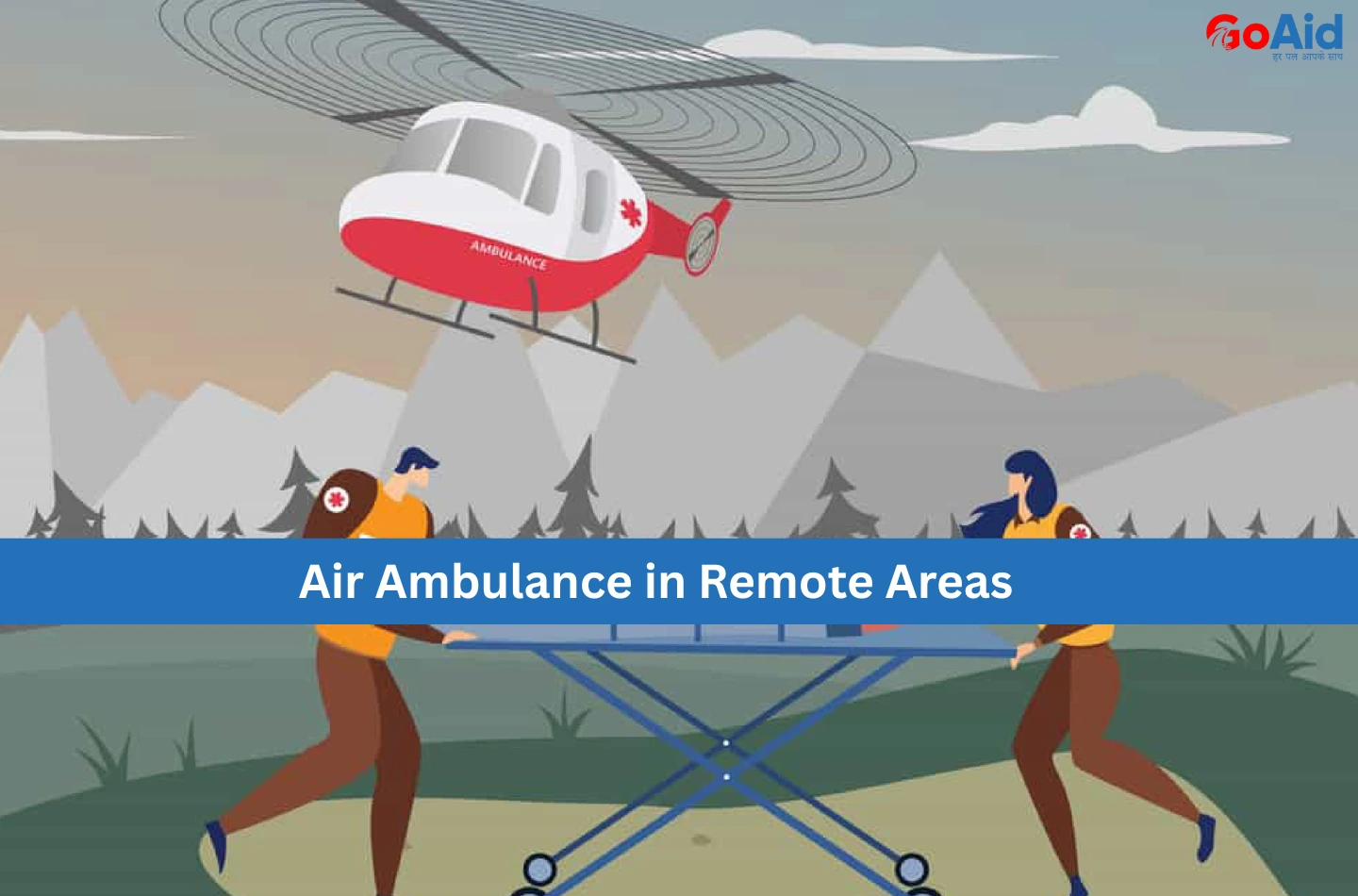
Air Ambulance in Remote Areas
Accessing timely medical care in remote and rural regions is often a major challenge due to poor connectivity, difficult terrain, and limited healthcare infrastructure. In such situations, reaching advanced medical facilities quickly becomes critical for saving lives.
This is why, in this blog, we have added all the details and key information related to Air Ambulance in Remote Areas. This includes healthcare challenges in rural locations, the need for rapid medical evacuation, types of emergencies requiring air support, role of medical aviation in difficult terrains, available medical equipment, response time benefits, and how GoAid Air Ambulance Service operates effectively in remote areas.
Are you excited to know all these details? Then don’t just wait! Read our blog till the end to get the information you need the most.
So, let’s start–
How Does Healthcare Challenges Faced in Remote and Rural Areas?
Healthcare in remote areas faces significant barriers. This makes Air Ambulance in Remote Areas and remote medical evacuation essential for timely treatment and rapid evacuation services.
1. Limited Access to Hospitals
Remote regions often lack nearby hospitals. Rural healthcare air transport via GoAid Air Ambulance Service ensures patients reach critical care facilities quickly, overcoming geographical barriers.
2. Scarcity of Trained Medical Professionals
Many villages have insufficient doctors and nurses. Air Ambulance in Remote Areas provides access to trained medical teams through emergency air rescue services.
3. Poor Transportation Infrastructure
Roads may be damaged or unavailable. Difficult terrain patient transfer is made possible by GoAid Air Ambulance Service for fast and safe remote medical evacuation.
4. Delayed Emergency Response
Slow ground transport increases mortality in critical care emergencies. Rapid evacuation services via Air Ambulance in Remote Areas minimize delays in reaching hospitals.
5. Inadequate Equipment and Facilities
Local clinics often lack ICU or advanced medical equipment. Medical aviation India services provide rural healthcare air transport with fully equipped GoAid Air Ambulance Service aircraft.
6. Challenges During Natural Disasters
Floods, landslides, or earthquakes restrict access. Emergency air rescue services ensure difficult terrain patient transfer remains possible for urgent care.
7. High Risk in Critical Cases
Life-threatening conditions require immediate attention. Air Ambulance in Remote Areas facilitates rapid evacuation services for heart attacks, trauma, or respiratory emergencies.
8. Geographic Isolation
Mountainous or forested areas often remain disconnected. GoAid Air Ambulance Service enables remote medical evacuation and safe rural healthcare air transport.
9. Delays in Specialized Treatment
Patients may need specialized care unavailable locally. Medical aviation India ensures timely transfer via Air Ambulance in Remote Areas to tertiary hospitals.
10. Lack of Awareness and Preparedness
Many rural populations are unaware of emergency protocols. GoAid Air Ambulance Service educates and provides rapid evacuation services for effective emergency air rescue services.
Why is the Air Ambulance Crucial in Remote Locations?
Air Ambulance in Remote Areas plays a vital role in saving lives by providing rapid remote medical evacuation and expert care where ground transport is limited.
1. Overcomes Geographic Barriers
In remote or mountainous regions, ground transport is slow or impossible. Air Ambulance in Remote Areas by GoAid Air Ambulance Service ensures swift rural healthcare air transport, reaching patients quickly for life-saving treatment.
2. Provides Rapid Response in Critical Cases
Time-sensitive conditions like cardiac arrest or severe trauma demand immediate care. Emergency air rescue services and rapid evacuation services from GoAid Air Ambulance Service dramatically improve survival chances.
3. Access to Specialized Medical Facilities
Many rural hospitals lack ICU or advanced equipment. Medical aviation India services provide remote medical evacuation to fully equipped hospitals. This enables critical patients to receive specialized care.
4. Safe Transport Across Difficult Terrains
Flooded, hilly, or forested regions delay traditional ambulances. Difficult terrain patient transfer via Air Ambulance in Remote Areas ensures secure and stable patient transport. This minimizes risks during emergencies.
5. Reduces Mortality and Complications
Immediate rural healthcare air transport reduces delays in treatment, preventing complications in critical care emergencies. GoAid Air Ambulance Service ensures professional care during rapid evacuation services, saving countless lives.
What Are Key Types of Emergencies that Require Air Ambulance in Remote Areas?
Certain critical conditions in isolated locations demand Air Ambulance in Remote Areas for remote medical evacuation and timely emergency air rescue services.
1. Cardiac Emergencies
Heart attacks or severe chest pain in rural regions require rapid intervention. GoAid Air Ambulance Service provides rural healthcare air transport to hospitals with specialized cardiac care.
2. Severe Trauma or Accidents
Road accidents, falls, or industrial injuries in remote areas need urgent transport. Emergency air rescue services ensure safe difficult terrain patient transfer for immediate treatment.
3. Respiratory Distress
Severe asthma attacks, respiratory failure, or oxygen deprivation in isolated locations necessitate rapid evacuation services by GoAid Air Ambulance Service for critical care support.
4. Stroke and Neurological Emergencies
Strokes, seizures, or sudden loss of consciousness require fast intervention. Air Ambulance in Remote Areas provides timely rural healthcare air transport to specialized medical centers.
5. Obstetric Emergencies
Complicated labor or pregnancy complications in remote areas require remote medical evacuation via GoAid Air Ambulance Service to hospitals with advanced maternity care.
6. Pediatric and Neonatal Emergencies
Critical infant or child conditions need immediate attention. Air Ambulance in Remote Areas ensures safe emergency air rescue services with trained pediatric teams and equipment.
7. Severe Allergic Reactions
Anaphylaxis or sudden allergic reactions can be fatal. Rapid evacuation services by GoAid Air Ambulance Service provide immediate medical care in remote medical evacuation scenarios.
8. Poisoning and Overdose
Toxic substance ingestion in isolated regions requires urgent treatment. Emergency air rescue services ensure safe rural healthcare air transport to equipped hospitals.
9. Cardio-Respiratory Arrest
Sudden cardiac or respiratory arrest demands immediate intervention. GoAid Air Ambulance Service provides air ambulance in remote areas support for rapid life-saving medical transport.
10. Infectious Disease Emergencies
Severe infections requiring isolation or specialized care in remote areas are managed through remote medical evacuation and emergency air rescue services provided by GoAid Air Ambulance Service.
What is the Role of Medical Aviation in Difficult Terrains?
Medical aviation India plays a crucial role in providing Air Ambulance in Remote Areas. This enables difficult terrain patient transfer and rapid emergency air rescue services.
1. Rapid Patient Evacuation
In mountainous or forested regions, medical aviation India ensures quick remote medical evacuation. GoAid Air Ambulance Service provides air ambulance in remote areas for timely access to hospitals.
2. Overcoming Road Limitations
Poor or damaged roads delay ground transport. Difficult terrain patient transfer via GoAid Air Ambulance Service ensures safe and efficient rural healthcare air transport for critical patients.
3. Access to Specialized Care
Remote regions often lack advanced facilities. Medical aviation India delivers patients to ICU-equipped hospitals using Air Ambulance in Remote Areas for expert treatment.
4. Time-Critical Interventions
Life-threatening emergencies require immediate attention. GoAid Air Ambulance Service provides rapid evacuation services ensuring emergency air rescue services reach patients quickly in difficult terrains.
5. Support During Natural Disasters
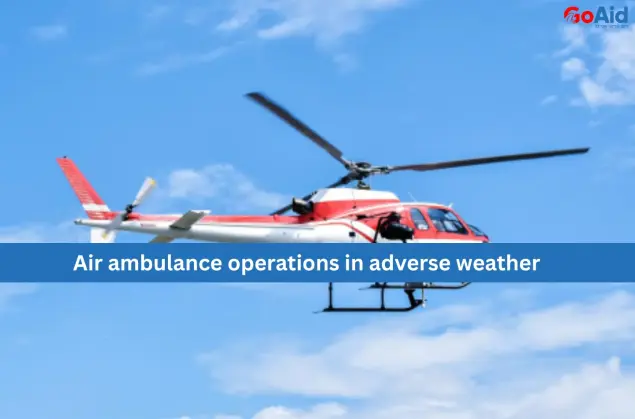
Floods, landslides, or earthquakes disrupt roads. Medical aviation India enables remote medical evacuation and rural healthcare air transport even in inaccessible areas.
6. Equipped Aircraft for Critical Care
Air Ambulance in Remote Areas by GoAid Air Ambulance Service includes ventilators, monitors, and trained teams. This ensures safe emergency air rescue services during transport.
7. Reduces Mortality and Complications
Immediate remote medical evacuation and professional care through medical aviation India significantly reduce risks and improve outcomes during difficult terrain patient transfer.
Key Equipment and Medical Support Necessary in Remote Air Ambulances
Air Ambulance in Remote Areas requires specialized equipment and trained personnel for remote medical evacuation and effective emergency air rescue services. This ensures patient safety and critical care.
1. ICU-Equipped Aircraft
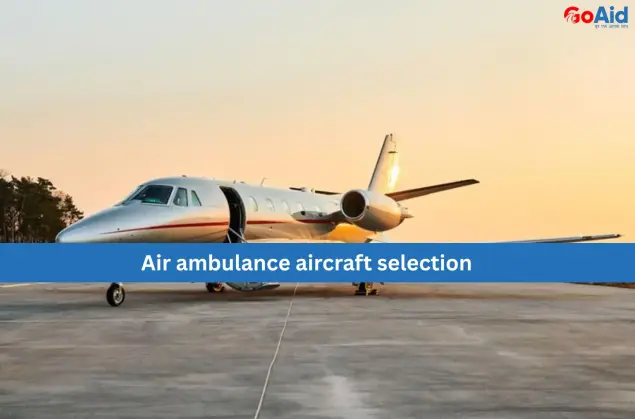
Fully ICU-equipped air ambulance aircraft are essential for critical patients. GoAid Air Ambulance Service provides advanced monitors, ventilators, and life-support systems for safe difficult terrain patient transfer.
2. Trained Medical Team
Doctors, paramedics, and nurses with experience in remote medical evacuation are vital. Air Ambulance in Remote Areas depends on skilled personnel for continuous emergency air rescue services.
3. Portable Ventilators
Ventilators ensure patients with respiratory distress receive continuous oxygen support. GoAid Air Ambulance Service uses these in rural healthcare air transport for life-saving interventions.
4. Defibrillators and Cardiac Monitors
Advanced cardiac equipment is crucial for heart emergencies. Air Ambulance in Remote Areas provides real-time monitoring during critical care emergencies and rapid evacuation services.
5. Infusion Pumps and Medication Kits
Accurate drug administration is essential for remote medical evacuation. GoAid Air Ambulance Service carries all necessary medications for emergency air rescue services during transit.
6. Neonatal and Pediatric Support Equipment
Specialized incubators and monitors are needed for infants. Air Ambulance in Remote Areas offers safe rural healthcare air transport for neonatal and pediatric emergencies.
7. Oxygen Supply Systems
Portable oxygen cylinders ensure patients with respiratory issues remain stable. GoAid Air Ambulance Service uses these for critical care emergencies during difficult terrain patient transfer.
8. Communication and Navigation Tools
Advanced GPS, radios, and satellite phones allow emergency air rescue services to coordinate with hospitals and ensure efficient remote medical evacuation.
9. Patient Immobilization and Safety Devices
Stretcher systems, harnesses, and safety belts secure patients. Air Ambulance in Remote Areas ensures safe rural healthcare air transport during rough terrain flights.
10. Emergency First Aid and Trauma Kits
Comprehensive first aid kits manage injuries and complications. GoAid Air Ambulance Service integrates these tools in remote medical evacuation for immediate emergency air rescue services.
What is the Response Time and Accessibility Benefits in Remote Areas?
Fast response and wide accessibility are critical in Air Ambulance in Remote Areas. This ensures timely remote medical evacuation and efficient emergency air rescue services for critical patients.
1. Rapid Activation of Air Ambulance
GoAid Air Ambulance Service ensures immediate dispatch for remote medical evacuation. This reduces delays compared to ground transport and enhancing rural healthcare air transport in emergencies.
2. 24/7 Availability
Round-the-clock readiness guarantees emergency air rescue services at any hour. Air Ambulance in Remote Areas provides uninterrupted access to critical care emergencies in isolated regions.
3. Minimized Travel Time
Air transport bypasses road obstacles, significantly reducing transit time. GoAid Air Ambulance Service ensures timely remote medical evacuation during life-threatening situations.
4. Accessibility in Difficult Terrains
Mountainous, forested, or flood-affected regions become reachable through Air Ambulance in Remote Areas. This enables rural healthcare air transport where ground vehicles cannot reach.
5. Coordination with Local Hospitals
Effective communication with hospitals allows readiness for patient arrival. GoAid Air Ambulance Service enhances emergency air rescue services and uninterrupted critical care emergencies handling.
6. Real-Time Patient Monitoring
Medical teams onboard provide continuous monitoring. This ensures stable remote medical evacuation and safe rural healthcare air transport during critical emergencies.
7. Nationwide and Cross-Border Reach
GoAid Air Ambulance Service provides Air Ambulance in Remote Areas coverage across India and nearby countries. This ensures timely emergency air rescue services in hard-to-reach locations.
How Does the GoAid Air Ambulance Operate in Remote Areas?
GoAid Air Ambulance Service specializes in Air Ambulance in Remote Areas by combining advanced aircraft, trained medical teams, and precise logistics. They operate 24/7. This ensures rapid response for remote medical evacuation even in challenging terrains.
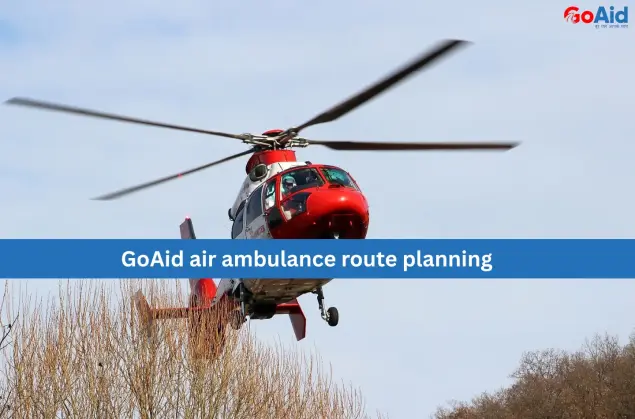
Equipped with ICU facilities, ventilators, and life-support systems, GoAid provides continuous care during transit. Teams coordinate with local hospitals, assess patient conditions, and plan the safest route for rural healthcare air transport.
With real-time communication, monitoring, and specialized pediatric or neonatal care, GoAid ensures safe and efficient emergency air rescue services, overcoming geographic and infrastructural limitations.
Conclusion
In conclusion, we have provided you all details about Air Ambulance in Remote Areas. This includes its critical role in remote medical evacuation, response time, accessibility benefits, and operational protocols. GoAid Air Ambulance Service ensures rapid, safe, and reliable rural healthcare air transport, equipped with ICU facilities, trained medical crews, and advanced equipment.
From difficult terrains to time-critical emergencies, GoAid provides professional emergency air rescue services, significantly improving patient survival and care quality. Choosing GoAid guarantees expert handling of critical care emergencies in even the most challenging and isolated locations.
FAQs
Q1: How quickly can GoAid Air Ambulance reach remote areas?
A: GoAid Air Ambulance Service offers rapid deployment for remote medical evacuation. Response time is minimized to reach patients promptly. Call 8008280020 for immediate emergency air rescue services.
Q2: Are GoAid services available in difficult terrains?
A: Yes, GoAid Air Ambulance Service specializes in Air Ambulance in Remote Areas. This provides rural healthcare air transport and safe emergency air rescue services across mountains, forests, and isolated regions.
Q3: What medical facilities are available onboard?
A: GoAid Air Ambulance Service offers fully ICU-equipped air ambulance aircraft with ventilators, monitors, and life-support systems for remote medical evacuation and critical care emergencies.
Q4: Can GoAid handle neonatal or pediatric emergencies?
A: Yes, specialized teams and equipment are available for Air Ambulance in Remote Areas. This ensures safe rural healthcare air transport and emergency air rescue services for infants and children.
Q5: How do I book a GoAid air ambulance in remote locations?
A: Call 8008280020 anytime for remote medical evacuation. GoAid Air Ambulance Service provides expert emergency air rescue services and timely rural healthcare air transport.
Q6: Are GoAid services government-approved and reliable?
A: Yes, GoAid Air Ambulance Service follows government-approved protocols. This offers trusted Air Ambulance in Remote Areas and safe emergency air rescue services with transparent charges.
Q7: Does GoAid coordinate with hospitals in remote regions?
A: Absolutely, GoAid Air Ambulance Service ensures uninterrupted coordination with local hospitals for remote medical evacuation and efficient rural healthcare air transport. This enhances patient safety during critical care emergencies.